NGS Gardens open for Snowdrops

Snowdrop gardens full of winter joy opening in Essex this February
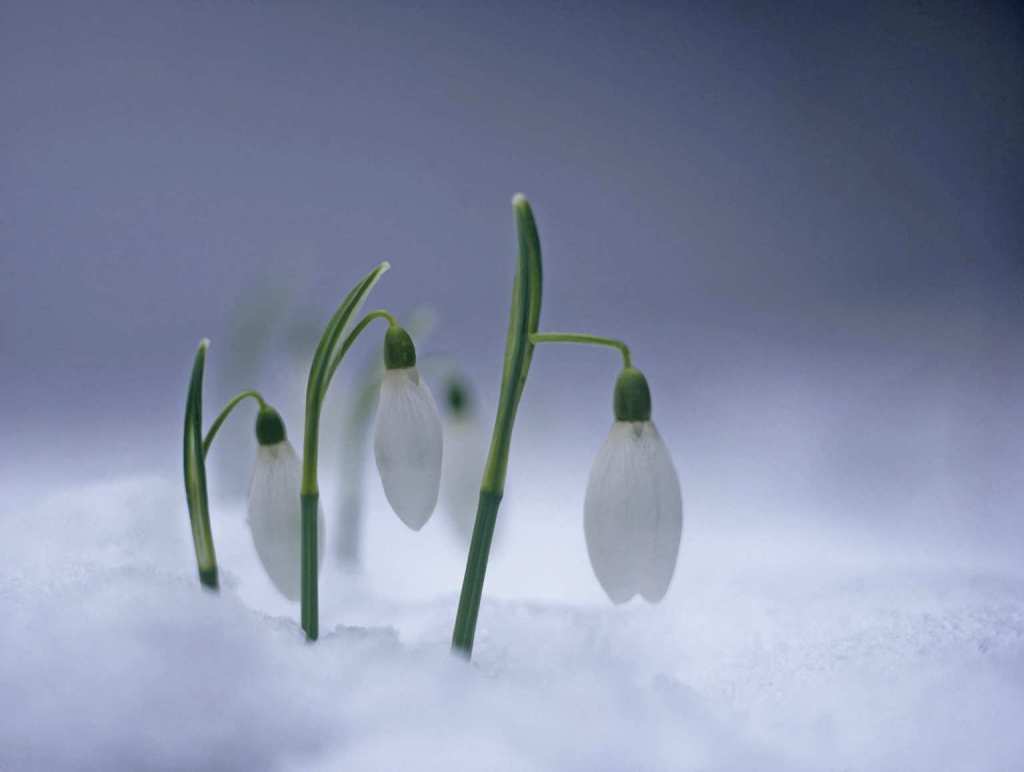
Photo Val Corbett

In 2023, the National Garden Scheme set a new record by donating over £3,400,000 to the charity’s beneficiaries which include Marie Curie, Macmillan Cancer Support, Hospice UK, Carers Trust, The Queen’s Nursing Institute and Parkinson’s UK. Essex garden owners and garden visitors played no small part in this by raising just under £170,000, also a record amount.

Garden visiting continues to be an enjoyable and inexpensive day out for the family, with children usually going free. In 2024, 86 glorious gardens will open to visitors with 20 of them new. The garden visiting season starts with great excitement, in February, with five special snowdrop openings:

The first to open is Dragons in Boyton Cross, Chelmsford, CM1 4LS. This is eagerly anticipated every year for its displays of snowdrops, hellebores and other exquisite winter plants which really shine out at this time of year. It is also popular for the sales of some of the more unusual snowdrop varieties.

Opening Wednesday 14 February (11am to 3pm). Admission for adults £5, children free. Refreshments available. Visits also by arrangement 7 February to 15 October for groups of 10 +.

Fans of the gardens at Ulting Wick, Crouchmans Farm Road, Ulting, Maldon, CM9 6QX will be interested to visit in February and March – a first for Philippa Burrough who normally opens her gardens later in the year for tulips and later summer flowers. Philippa started developing areas of snowdrops during the lockdown and now has them in beds near the house as well as drifts in the woodland area. These are joined by early flowering narcissus and increasingly by larger swathes of daffodils which cover the banks around the lake.

Pre-booking is essential for the openings on Friday 16 Feb and Wednesday 27 March (11.30am to 2pm). Admission £15, please visit http://www.ngs.org.uk for information and booking.

Homemade soup and rolls will be offered as well as homemade cakes. Visits also by arrangement 12 Feb to 1 Oct for groups of 15 to 50.

The snowdrop opening at Horkesley Hall Vinesse Road, Little Horkesley, Colchester, CO6 4DB is on Saturday 17 February. New this year is a talk by snowdrop specialist, Chris Wiley of Sow Successful, starting at 11.30am (visitors please bring their own mugs for coffee!) and the gardens will open between 1.00 and 4.30pm. Visitors can walk around the eight acres of magical parkland at their leisure, taking in the developing snowdrop collection, views across the lake and important collection of mature trees. Admission for adults £6, children free.

Ticket for snowdrop talk £5. Light refreshments of soups, home-made cakes, sausage rolls and hot drinks will be served in St Peter and St Paul’s Church and snowdrops will be available to purchase. Visits also by arrangement for groups of 10 to 20.

Opening on two consecutive Sundays, 18 and 25 February, the garden at Grove Lodge 3 Chater’s Hill, Saffron Walden, CB10 2AB manages to create a secluded early spring woodland in the centre of this market town. The spread of snowdrops and winter aconites has been steadily increasing over the last few years and is a joy to see. Open between 2 and 5pm with admission for adults £6, children free. Homemade teas served in the conservatory. Group visits also by arrangement from 2 January to 20 December.

Brookfield, Church Road, Boreham, CM3 3EB . Visitors who are used to seeing the three and a half acres of garden and meadow covered in summer perennials, roses and wild flowers will find a much quieter but no less impressive covering of snowdrops, aconites and crocus on Sunday 25 February, (11am to 4pm). Admission for adults £5, children free. Homemade tea and cake will be served in the conservatory with views across the garden.

Four of the gardens mentioned above also offer private group visits, by arrangement with the garden owners. Visit the National Garden Scheme website ngs.org.uk for more details. Checking the website for any last-minute changes is also recommended before setting out.

Photographs can be accessed here: Essex Snowdrop Gardens 2024 (smugmug.com)

About the National Garden Scheme

The National Garden Scheme gives visitors unique, affordable access to over 3,500 exceptional private gardens and raises impressive amounts of money for nursing and health charities through admissions, teas and cake.

Thanks to the generosity of garden owners, volunteers and visitors we have donated over £70million to nursing and health charities. Founded in 1927 to support district nurses, we are now the most significant charitable funder of nursing in the UK and our beneficiaries include Macmillan Cancer Support, Marie Curie, Hospice UK and The Queen’s Nursing Institute.

The National Garden Scheme doesn’t just open beautiful gardens for charity – we are passionate about the physical and mental health benefits of gardens too. We fund projects which promote gardens and gardening as therapy, and in 2017, we launched our annual Gardens and Health Week to raise awareness of the topic.

To find your perfect garden, visit ngs.org.uk, download the National Garden Scheme app or purchase the National Garden Scheme’s Garden Visitor’s Handbook, which is published annually and available via http://www.ngs.org.uk/shop and at all good book retailers.

Registered Charity 1112664 www.ngs.org.uk

For more information contact Debbie Thomson, Publicity Coordinator for the National Garden Scheme in Essex Debbie.thomson@ngs.org.uk 07759 226579
Shade & Woodland Group

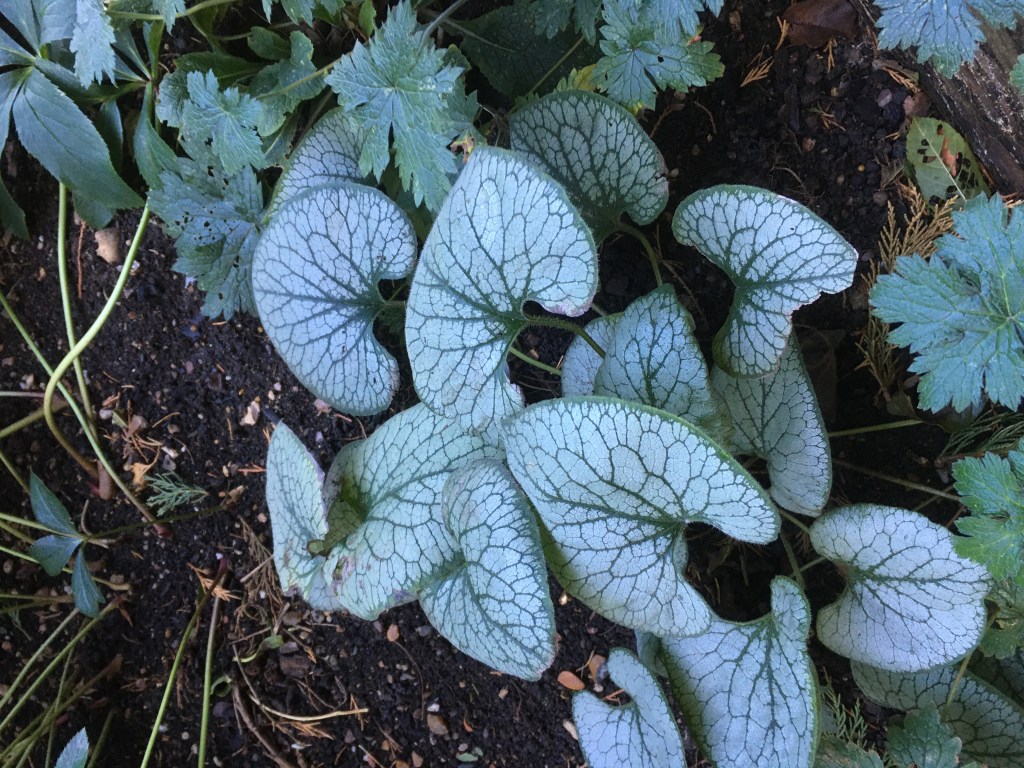
Brunnera Jack Frost

Whilst the Essex group is great for meeting friends at a local level the specialist groups offer an insight into the passion of members countrywide. Either online or at an annual get together.

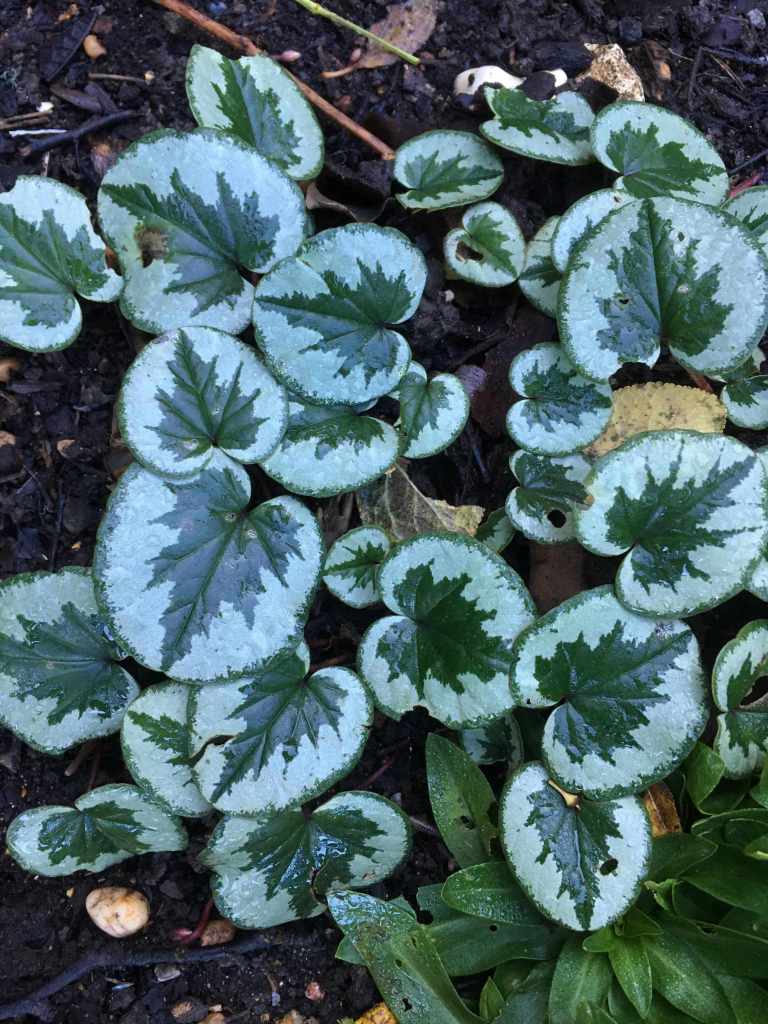
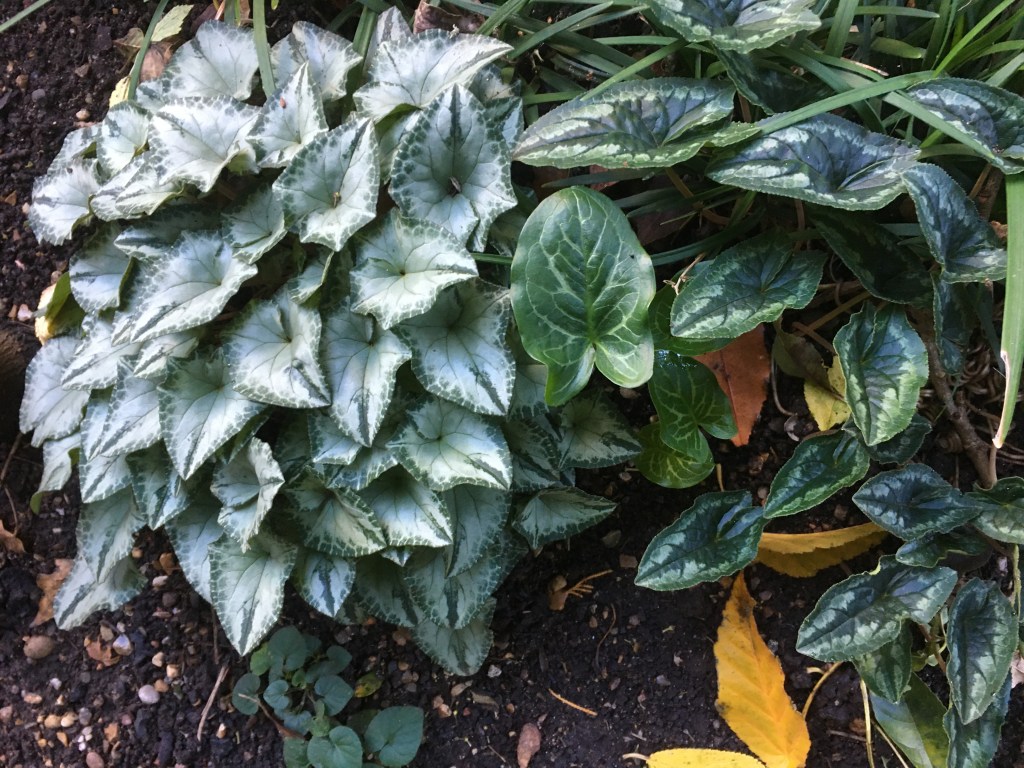
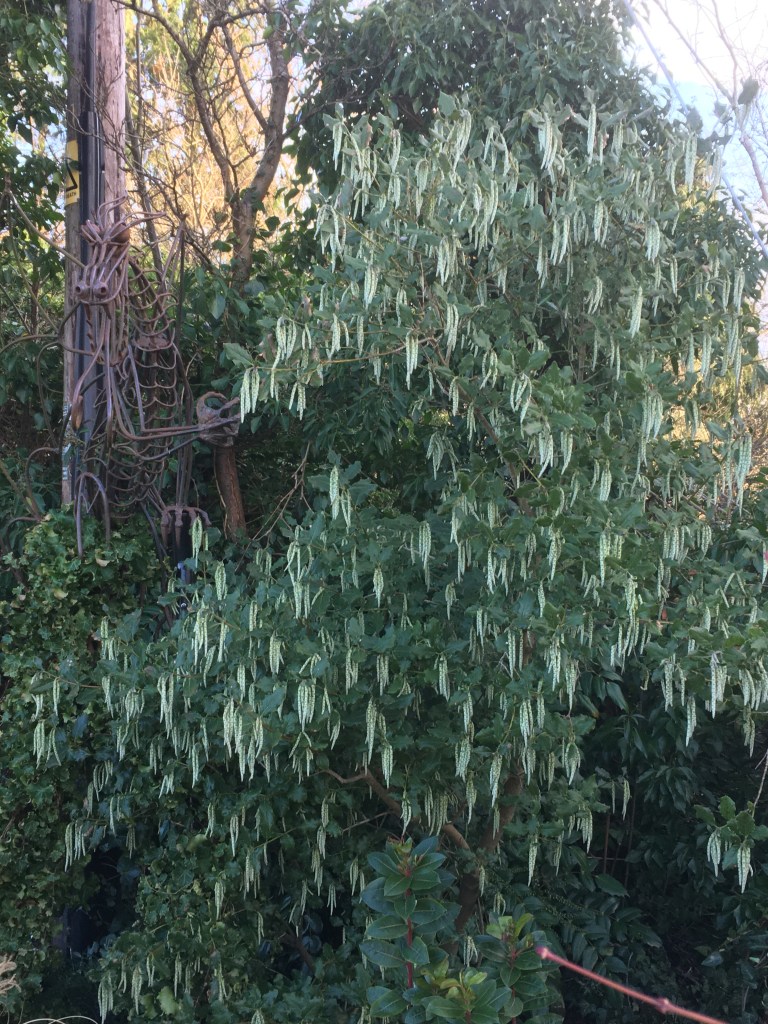
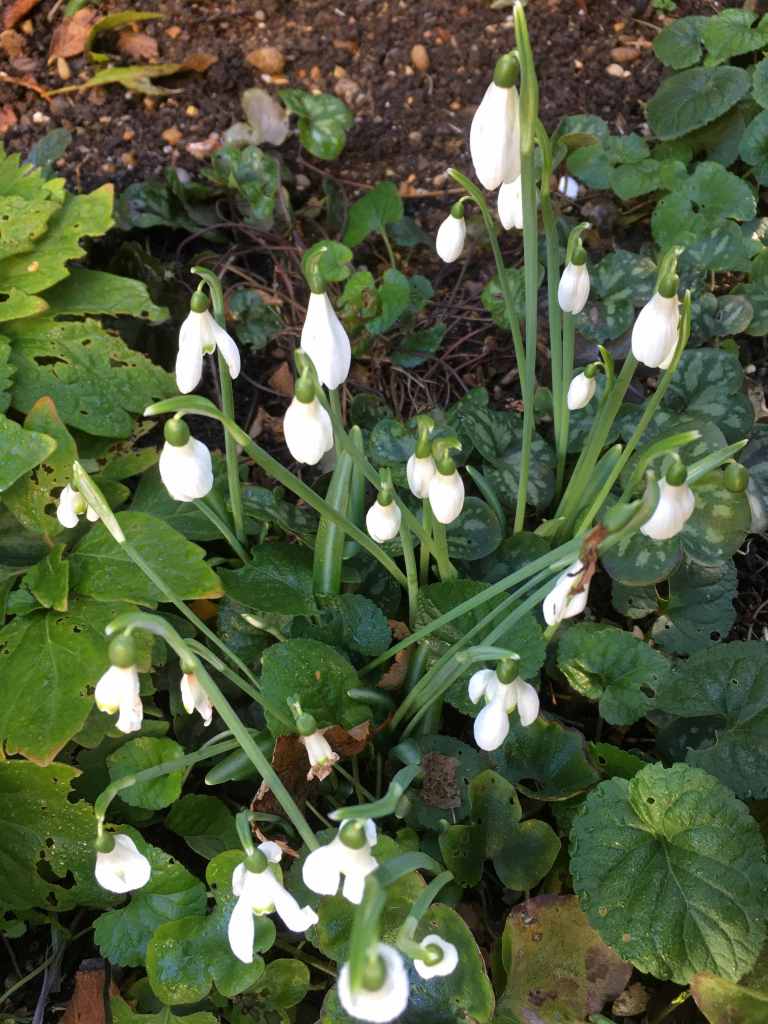
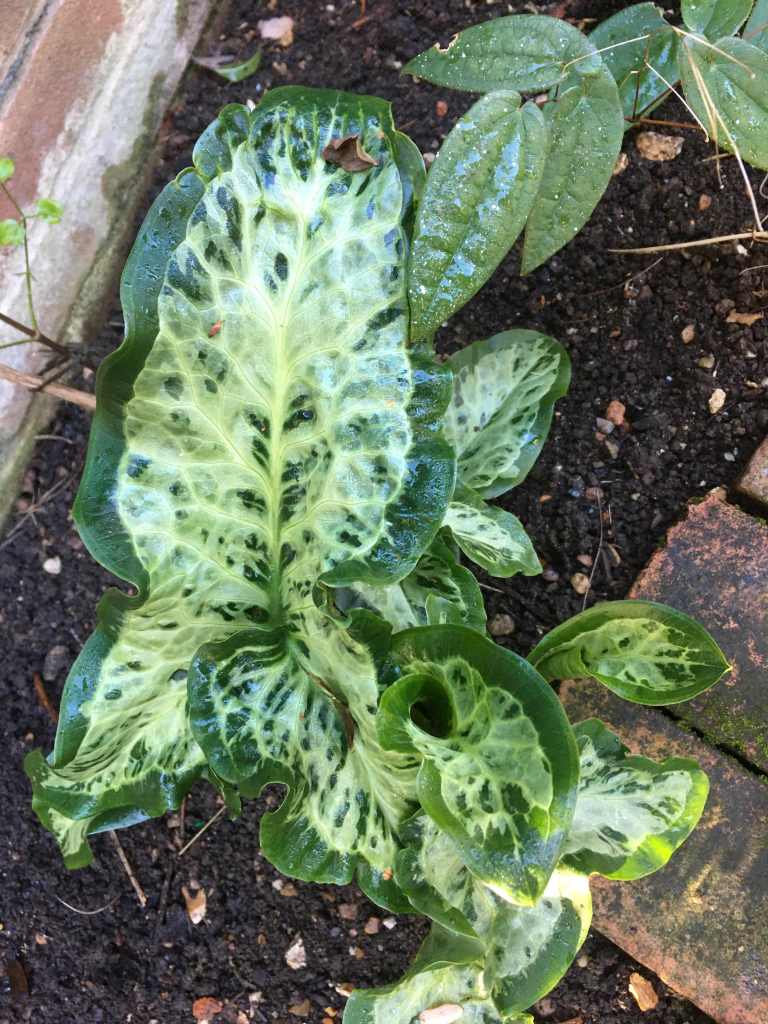
Shade and Woodland does not provide a great burst of colour but it is amazing what you can do with leaves of different sizes, texture and colour. Ferns of course are a must, and polystichum setiferum Bevis is a particularly fine form. Cylamen, coum and hederifolium provide an immense variety of leaf patterns even when not in flower. Brunnera Jack Frost lights up the darkest corner. Arum italicum, if you dare introduce these (they are prolific seeders) also provide many different leaf forms. As for snowdrops that is entirely a different obsession.

From left to Right : Arum Italicum Pictum, Cyclamen Coum, Cyclamen Hederifolium, Garrya Eliptica, Galanthus Reginae Olgae, Polystichum Bevis, Ribes Laurifolium.

More information is on the HPS national website www.hardy-plant.org.uk or contact the HPS Shade and Woodland Plants Group Secretary, Diana Garner, at shade@hardy-plant.org.uk or the HPS Administrator, e-mail admin@hardy-plant.org.uk ,or in writing to 3 Basepoint Business Centre, Crab Apple Way, Evesham WR11 1GP

Meeting Sunday 14th January

Our next meeting is this Sunday 14th January at Wickham Bishops Village Hall. The meeting starts at 2.00pm. Also if you haven’t paid yet please bring your subs.

Our speaker this month is Sue Jackman – ’Madagascar, its Endemics & Exotics’

Sue is a keen plantswoman and past chairman of Essex HPS. She also opened her garden for the National Garden Scheme for 5 years. We visited Sue’s garden in 2023 for our ‘Meet the Gardener’ visit. 

Sue trained originally as a Radiographer X-raying humans, and then animals at Bristol Veterinary School. Years later she trained in Horticulture and taught at Writtle College. Her interest in wildflowers, and then gardens started very early. She has been fortunate to be able to join groups flower hunting in many countries.

We look forward to seeing you there.

A Message from our Chairman

In the depths of winter, when the days are dark and short, and the ground is always wet, it is easy to turn our backs on our gardens. But there is always something to please those who look, whether it is seed heads of grasses swaying in the breeze, berries that have survived the birds, or rain drops on spiders’ web.

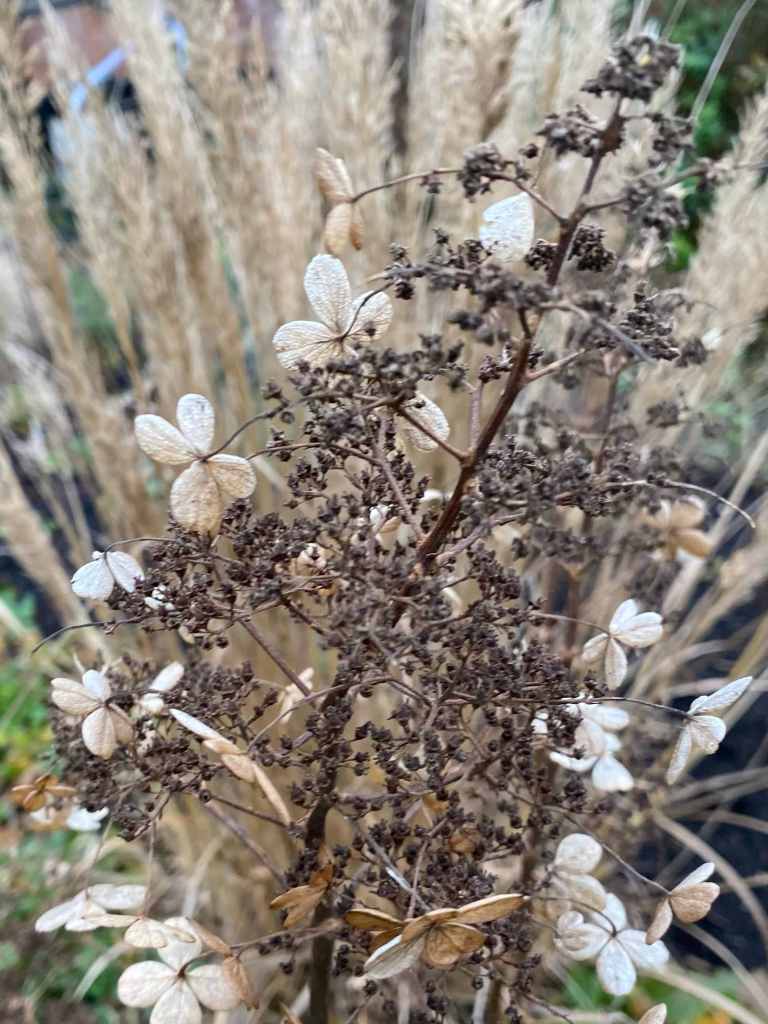
Hydrangea paniculata ”Kyushu”, in front of Calamagrostis brachytricha 

And, of course, frost. Frost is a gift, an essential part of the life cycle of an Essex garden. It reduces the numbers of overwintering pests, restoring balance to the wildlife we share our gardens with. It is necessary for the germination of the seeds of certain species. And it creates unfamiliar new pictures with our familiar plants.

Sambucus nigra “Black Lace” in last December’s frost

In summer some gardeners are tempted by tender tropicals. They grow cannas among their dahlias, gingers with their bananas, and Ricinus beside the euphorbias, and they fancy they are in a jungle. And then autumn comes and they have to dig them all up and store them away from frost. It’s a lot of work, however rewarding. 

But we in the Hardy Plant Society have no fear of frosts.

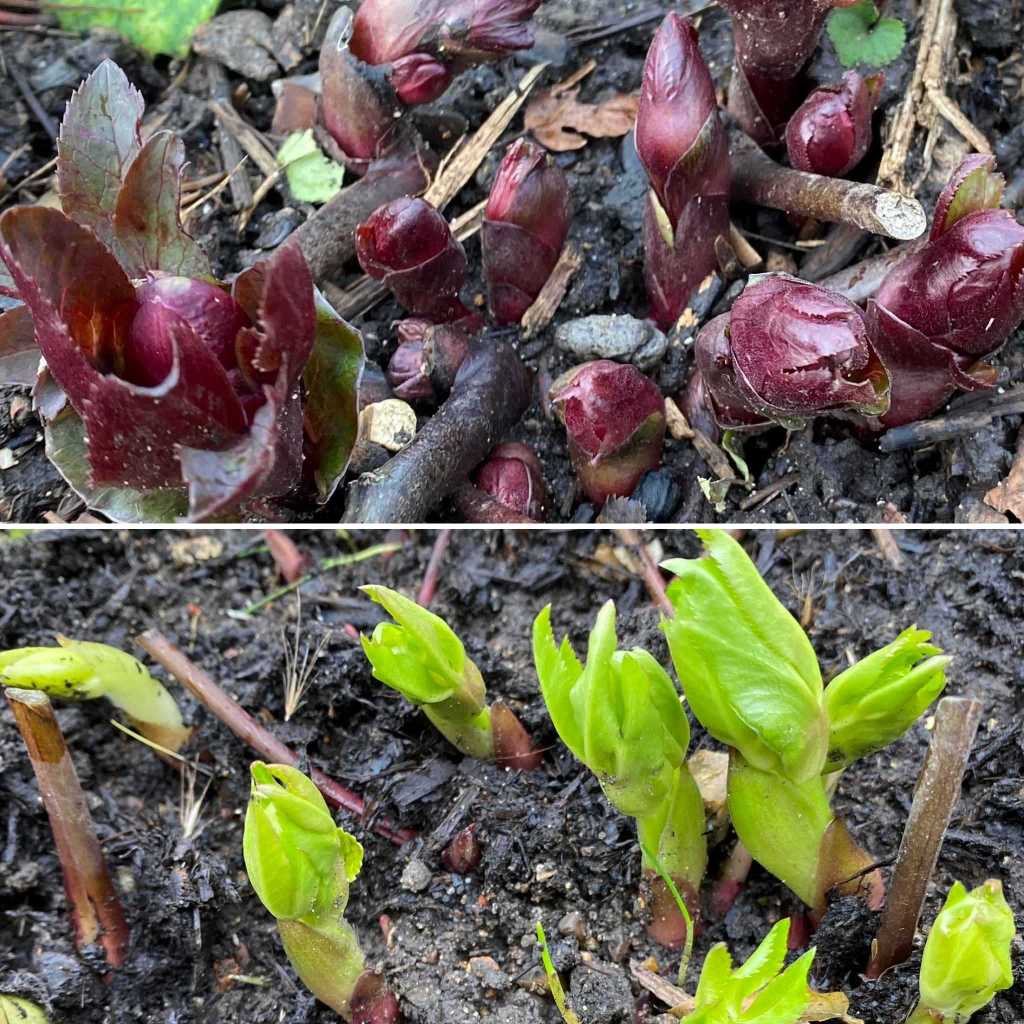
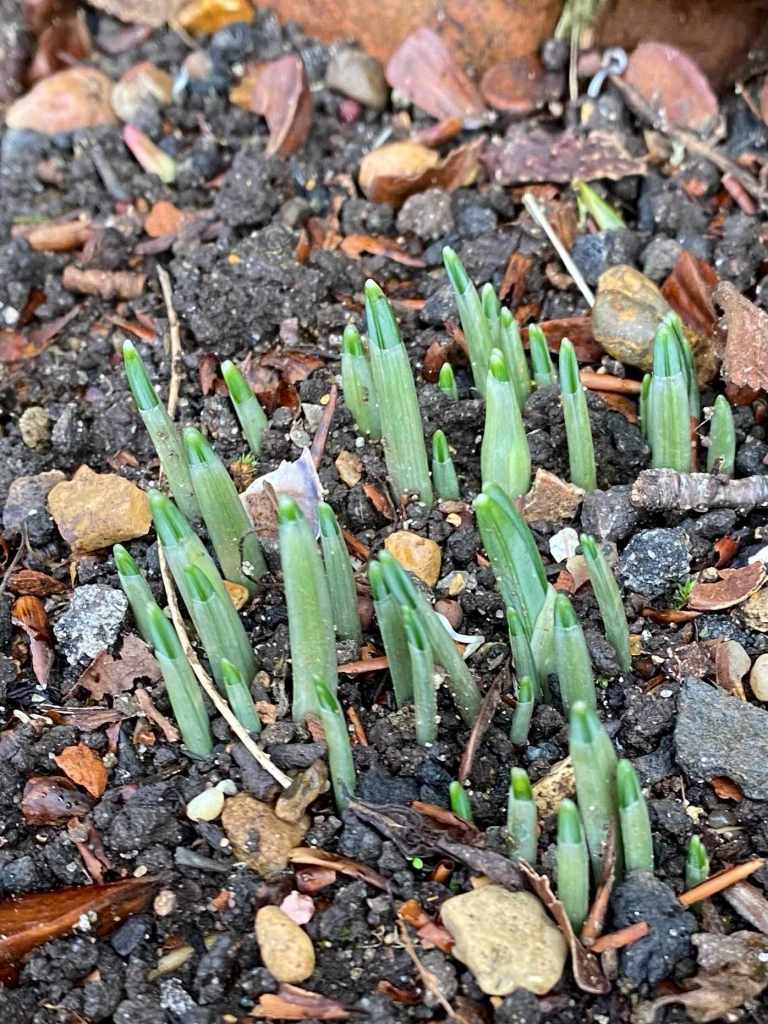
Most British gardens rely on hardy plants, plants that have evolved to survive, thrive even, in the sub-zero temperatures of winter. You can garden successfully only using hardy plants, but it is hard to imagine a successful garden without them. We know their secrets, and delight in their reappearance. As I write the buds of the hellebores are swelling, the noses of the snowdrops are poking up through wet autumn leaves, and Iris unguicularis has been flowering for weeks. 

The Hellebores are coming, 21/12/23

The first of my snowdrops

Iris unguicularis has had a succession of flowers since November

So far this has been a mild winter, though possibly wetter than last year and certainly darker, all of which has an effect on our plants, even our hardy perennials, our shrubs and our trees. My winter flowering shrubs are later than last year, and the late flowering plants did not last into December, as they did last year when I had four times as many plants in flower on December 1st. We are learning all the time. In early December 2022 we had a deep frost, and we all lost plants, only some of which have revived. A possible reason for the exceptional devastation may have been the frost coming soon after a thorough soaking.

Being a member of the Hardy Plant Society in Essex gives you an invaluable source of experience, knowledge and wisdom in the care of plants in our soils and our unique climate. I hope that, like me, you are looking forward to a lively programme of meetings, talks and garden visits in 2024. My thanks to all members, and especially our Committee and volunteers, for making this a wonderful, warm and friendly organisation. Have a very happy Christmas and I wish you great gardening in the new year.

Tom Fenton, Chair, HPS Essex Group

Meeting Sunday 10th December

Our last meeting of the year is this Sunday 10th December at Wickham Bishops Village Hall. The meeting starts at 2.00pm. Also a quick reminder for people to bring their subs.

Our speaker this month is Ed Fairey – ‘What is the NGS’

Ed Fairey is the Managing Director of Fairey Associates, one of the UK’s leading firms of Wealth Managers. He is also a highly skilled gardener and garden designer who has, for the last few years, been developing his three-acre garden in the north east of Essex. He has opened his garden for the National Garden Scheme for a number of years and is part of the NGS Essex volunteer team.

We look forward to seeing you there!

Heritage Apple ‘Sturmer Pippin’

By Tom Fenton – Essex HPS Chairman

Our garden is what remains of an old walled garden in the middle of Coggeshall. Soon after we moved here in 2020 I decided I would plant heritage apples. Essex has a rich tradition of excellent varieties, as I am discovering now that they are beginning to crop. This one is Sturmer Pippin, bred in the village of Sturmer near Haverhill, about 1800 and sent to the RHS in 1827. Its great virtue is, it is extremely late and keeps for an astonishing time. The excellent website fruitid.com tells us: “Its ability to store until late spring was probably the main reason it became a popular and widely grown Victorian variety. Picked in October or November it is very hard and virtually inedible until well into the new year when it mellows to a golden yellow, but is crisp, juicy and in a good year having a good rich flavour.” It has also been noted that samples picked in early January had developed a much better flavour than those that were picked to store in early November. Mind you, leaving the fruit on the tree that late may require protection. I picked mine on December 1st, and they are sharp. fruitid.com says: “Strong characteristic taste like cold steel; crisp, juicy, but needs plenty of autumn sunshine to build up sugar and flavour.” The last two of my crop, seen here, I will leave until January for comparison.

Tom Fenton – Essex HPS Chairman

Speakers

Meeting Sunday 19th November

Our next meeting is this Sunday 19th November, please note the start time is 10.30am. Starting with our AGM which we expect to last approximately 1/2 an hour followed by refreshments.

Our speaker this month is Simon White – ‘Rose Growing Made Easy’

Simon is Garden Centre Manager at Peter Beale’s Roses with over 39 years experience in growing the nations favourite flower The Rose.

” I have a passion for the rose and would like to share this passion with others. The late Peter Beales started the rose nursery in 1968 and started to specialize in the old fashioned style of shrub rose and climbers and Ramblers. Today we list over 1100 different varieties which is possibly the largest collection of roses grown commercially in the world with over 250 which are unique to us and can’t be purchased anywhere else in the world. We have over 2.5 acres of display gardens at our nursery and Garden Centre in Attleborough Norfolk where we showcase most of our collection combined with a vast selection of perennials, shrubs and clematis.”

We look forward to seeing you there.

Meeting Sunday 15th October 2023

Our next meeting is this Sunday 15th October at Wickham Bishops Village hall. The meeting starts at 2.00pm.

Our lecture this month is by Geoff Hodge subject ‘Gardening in Drought Conditions’.

Geoff is a freelance garden writer, writing for various national gardening magazines and websites – as well as lots more besides! Previously, he was the Web Editor for the Royal Horticultural Society, Gardening Editor of Garden News magazine and Technical Editor of Garden Answers magazine. He has written eight gardening books, with titles ranging from pruning and propagation to allotments and vegetable growing. He broadcasts on the gardening programmes on both BBC Radio Cambridgeshire and BBC Essex. He also appears on Q&A panels at flower shows across the country and gives lots of talks and demonstrations at garden centres and for gardening clubs.

Meeting Sunday 17th September

Our lecture this month is by Tim Walker subject ‘Scent in the Garden’.

Our first meeting after the summer break is this Sunday 17th September at Wickham Bishops Village hall. The meeting starts at 2.00pm.

This talk, based on a Gold Medal winning display at the Chelsea Flower Show, looks at not only how to make your garden more fragrant but also why the plants produce these smells in the first place.

Tim read Botany at University College Oxford then worked for two years as a trainee at the University of Oxford Botanic Garden.  He then took a National Certificate in Horticulture at Askham Bryan College York, followed by a one-year traineeship at the Savill Garden Windsor, and 15-months as a diploma student at the Royal Botanic Gardens Kew. He was awarded a Master of Horticulture by the Royal Horticultural Society of London.

From January 1986 to July 2014 Tim worked at the University of Oxford Botanic Garden & Harcourt Arboretum, firstly as General Foreman, then as Horti Praefectus (from 1988) and finally as Director (from 2002).  Between 1992 & 2000 the OBGHA won 4 gold medals at the Chelsea Flower Show London.  In 2009 the Botanic Garden was one of seven Oxford collections to be awarded a Queen’s Anniversary Prize for providing imaginative educational programmes for adults, students, children and the general public, thereby breathing new life into education for people of all ages and enriching their lives.

Since 1986 Tim has been giving lectures to gardening clubs, horticultural societies, Art Societies, WIs, and many other types of group.  He has given more than 2000 talks in Britain, Ireland, Germany, France, North America, and Australia to more than 150,000 people in audiences ranging from 20 to 350.

In 2010 Tim was elected as a Fellow of the Linnaean Society of London.

From August 2014 he has been a lecturer in Plant Sciences at Somerville College, Oxford, and now holds similar positions at Pembroke College and Hertford College.

Following the lecture there will be tea, cake and plant sales. We look forward to seeing you all there.

HPS Essex Plant Conservation

The HPS Conservation Scheme is open to all members. The group is for anyone interested in growing and propagating cultivars of hardy herbaceous perennials. These plants are not widely available in the nursery trade and the aim is to ensure they do not die out and become lost forever.

A Perfect Morning Out – Sally Adams

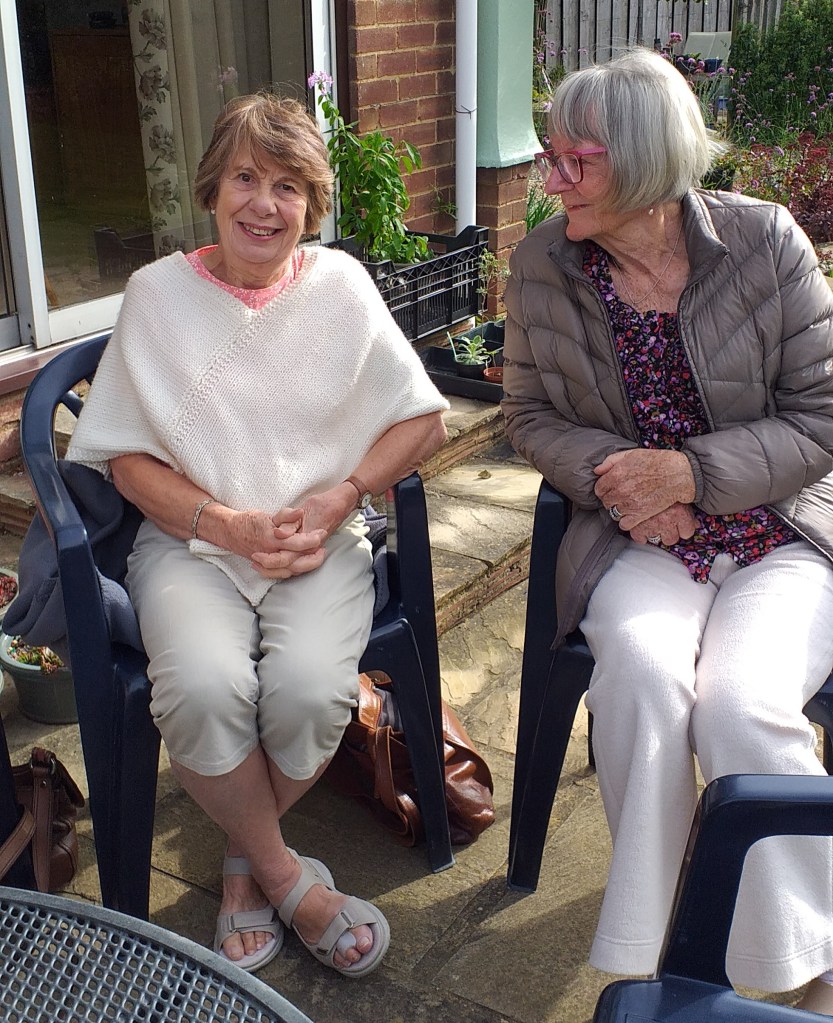
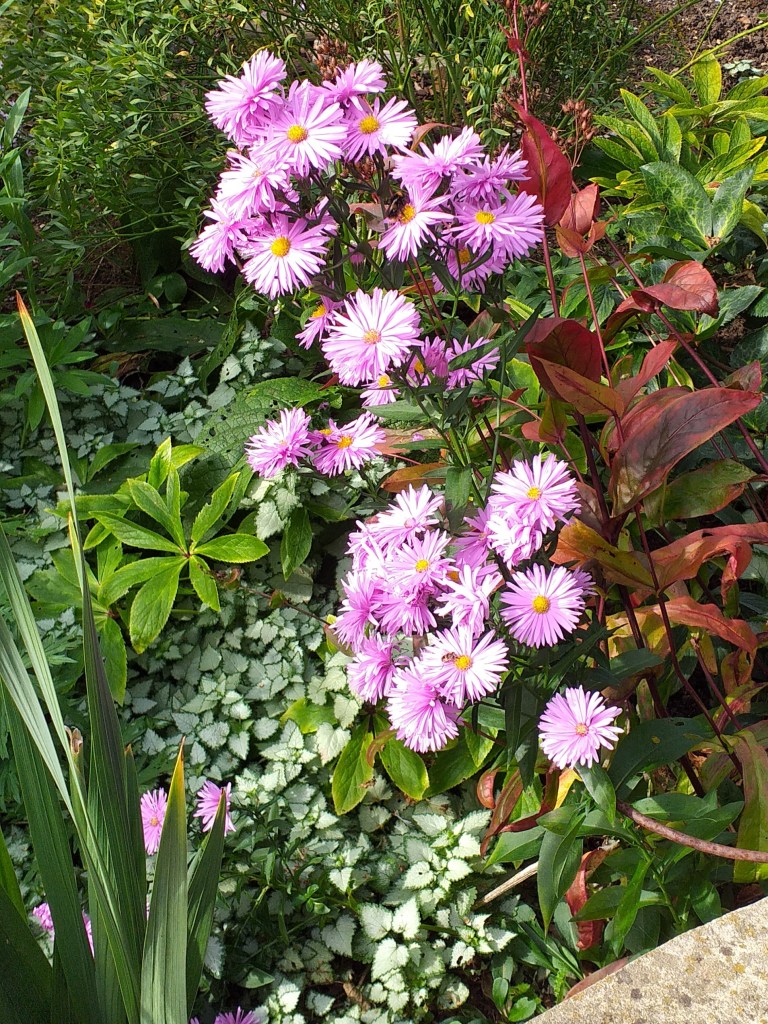
On a sunny patio surrounded by a lush garden, a group of enthusiastic plant-lovers discussed the latest developments in the HPS Conservation Scheme. There were new plants to learn about, mislabelled plants to evaluate, past successes to track down and mature specimens to see in Margot’s garden where the HPS Essex Conservation mini-group meets. It is always a treat to see her special garden at any time of year, but on the day of the meeting it was full of blooming Symphyotrichum, or Asters if you prefer. When it comes with tea and biscuits, it makes for a perfect morning out.

 HPS members enjoying tea and plants in the sun. The plant above is Symphiotrichum novi-belgii ‘Farncombe Lilac’.