
Conservation – Why does it matter
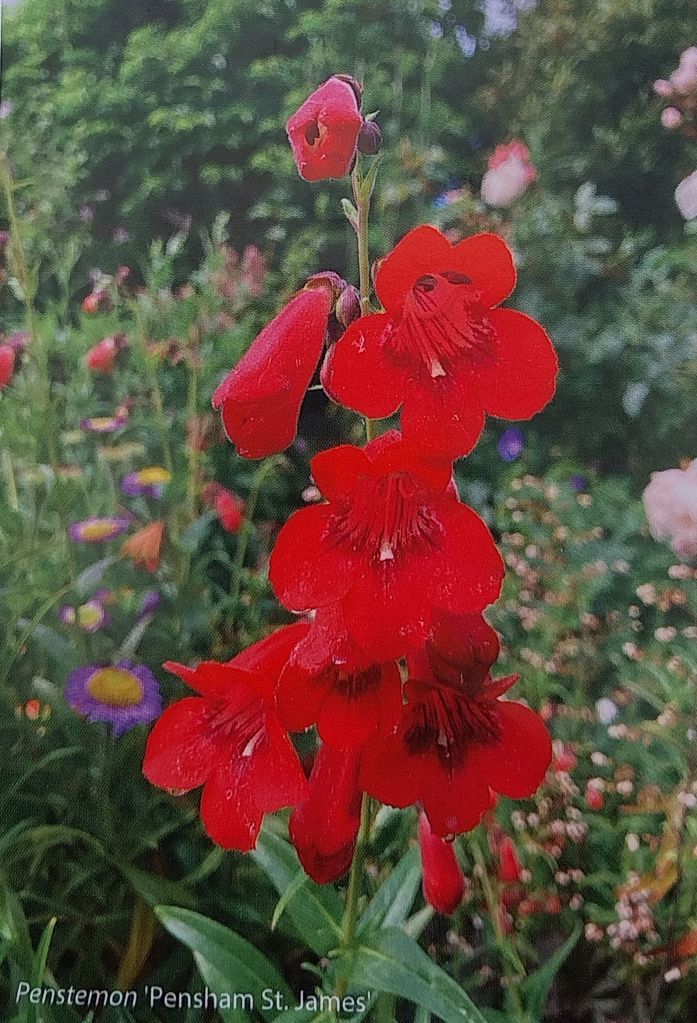
Wild plants receive some protection and conservation from international organisations and some governments, but those which people have selected or bred and which we grow in our gardens often do not work, and may be lost as fashions change.
Retail horticulture focuses on a limited selection of cultivars to ensure sales and supply, but this restricts what is available to gardeners. By conserving older, less available ones the Scheme provides growers more choice and variety.
HPS Conservation Scheme
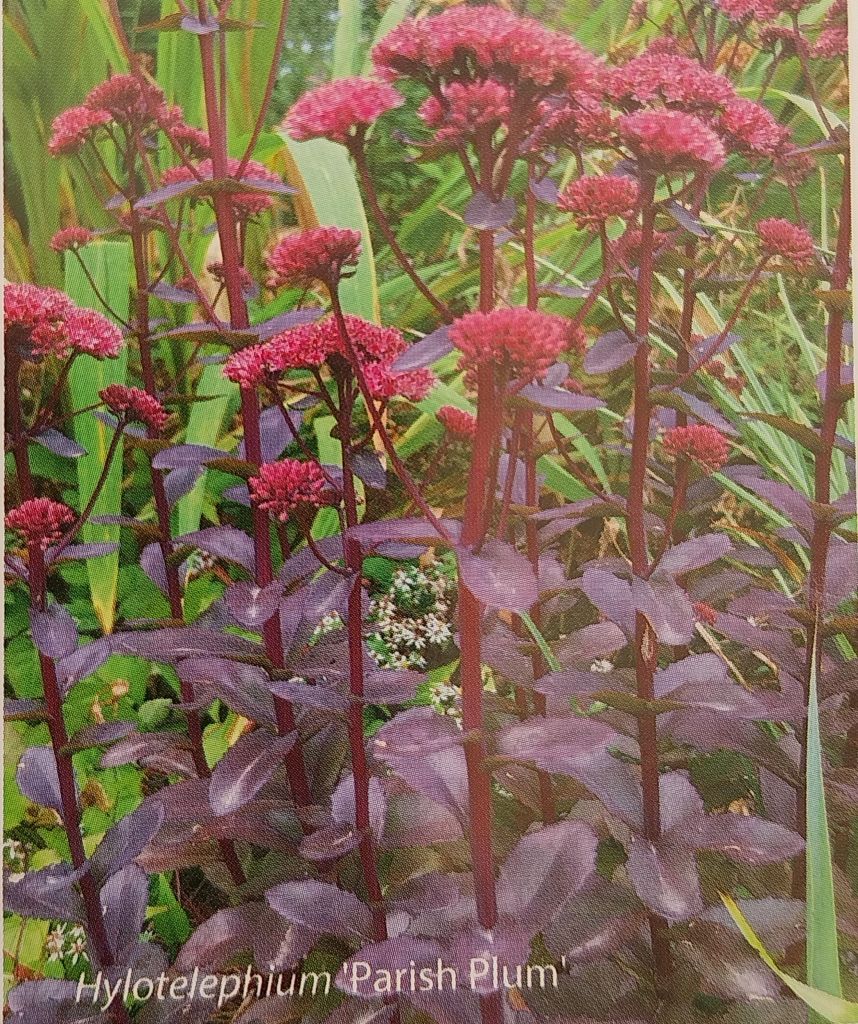
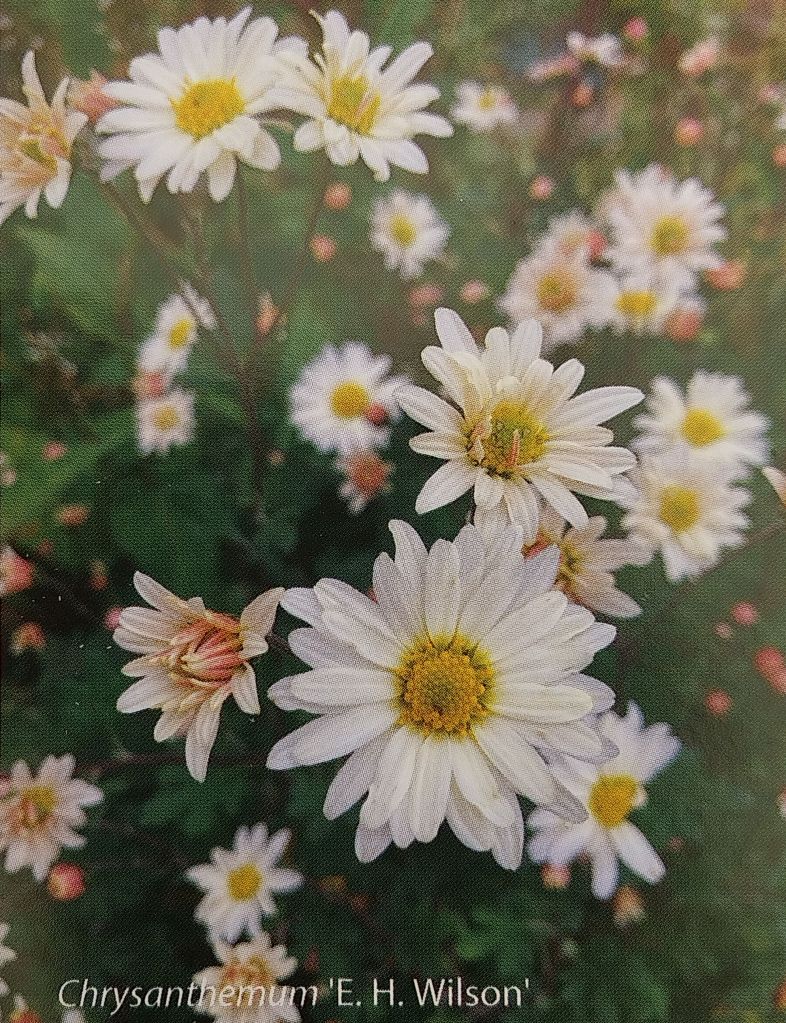
The Hardy Plant Society has a national Conservation Scheme which aims to identify and preserve at least some of the plants in danger of being lost. Older cultivars which have proved their worth in the past are becoming harder to find. Even if few gardeners want to grow them at the moment, they may have a role in future breeding.
How are plants chosen for the Conservation Scheme?
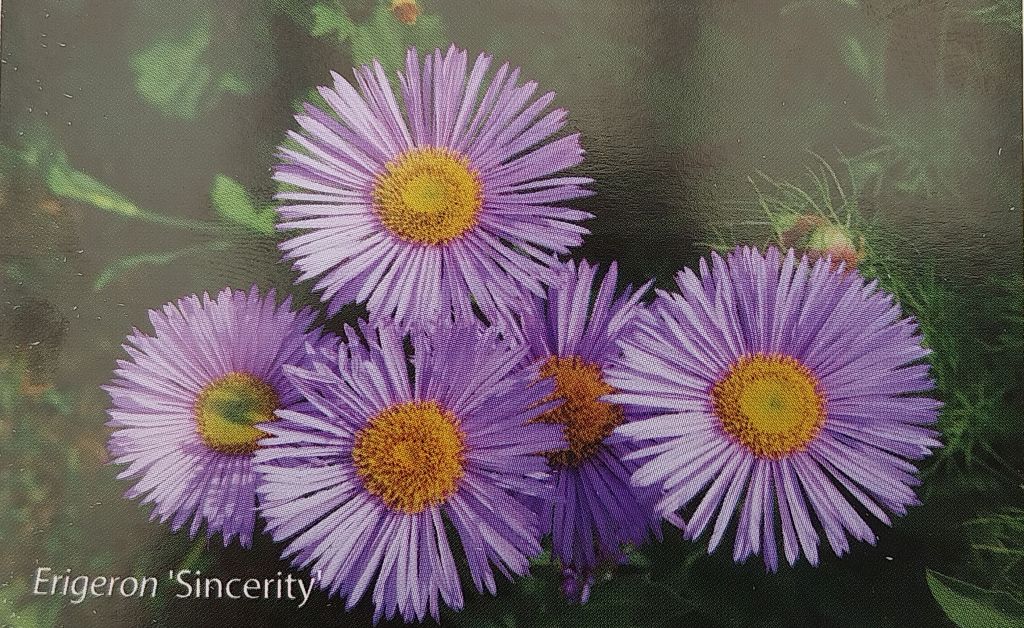
Suggestions for plants come HPS members, collection holders or are actively sought by scheme participants. Plants must be hardy, garden worthy and different from other available cultivars. They are plants that have become difficult to obtain, with fewer than 4 entries in the RHS Plant Finder. They may have a particular association with the Hardy Plant Society or be of historical significance.
How can I recognise a Conservation plant?
Plants in the Scheme can be recognised by their distinctive green labels.
What would I have to do if I joined the Conservation Scheme?
As a volunteer grower you would be asked to look after your Conservation Plant and report back on your experience of growing and propagating it each year. You would be asked to take cuttings or divide your plant to provide new plants for the Annual Exchange meeting. These will then be shared with growers around the the country, to ensure a good supply of plants remains available.
Benefits for local groups and individuals
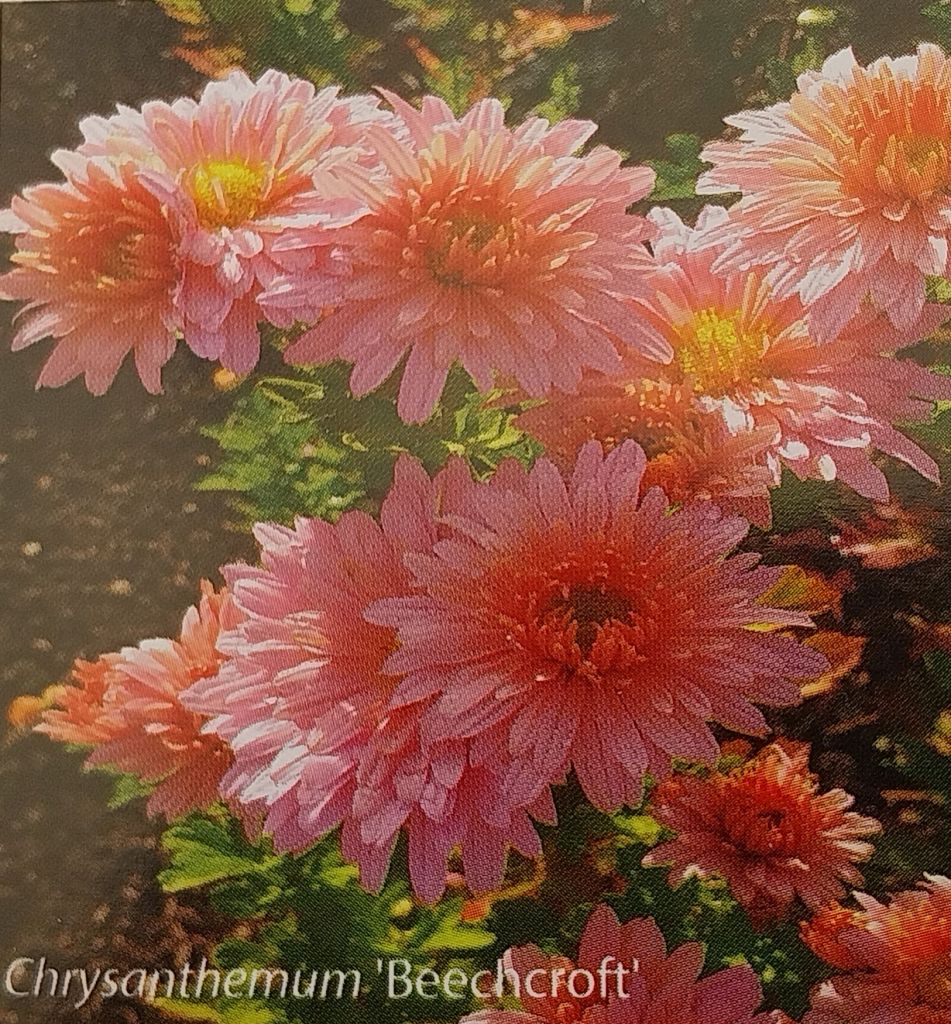
By participating in the HPS Conservation Scheme local groups and individual members have the opportunity to:
- engage in an interesting, sometimes challenging, but nevertheless rewarding activity.
- acquire, grow and propagate scarce plants from HPS members an all areas.
- grow these plants in a variety of garden locations throughout the country.
- learn more about specific plants by research and by practical propagation.
- do something practical to maintain the biodiversity of perennial plants.
- distribute knowledge and information acquired by the wider public.
How can I get involved in the Conservation Scheme?
If you want to get involved then please get in touch with Sally Adams zifty1@zen.co.uk or with the National Co-ordinator conservation@hardy-plant.org.uk.

