Our next meeting is this Sunday 14th January at Wickham Bishops Village Hall. The meeting starts at 2.00pm. Also if you haven’t paid yet please bring your subs.
Our speaker this month is Sue Jackman – ’Madagascar, its Endemics & Exotics’
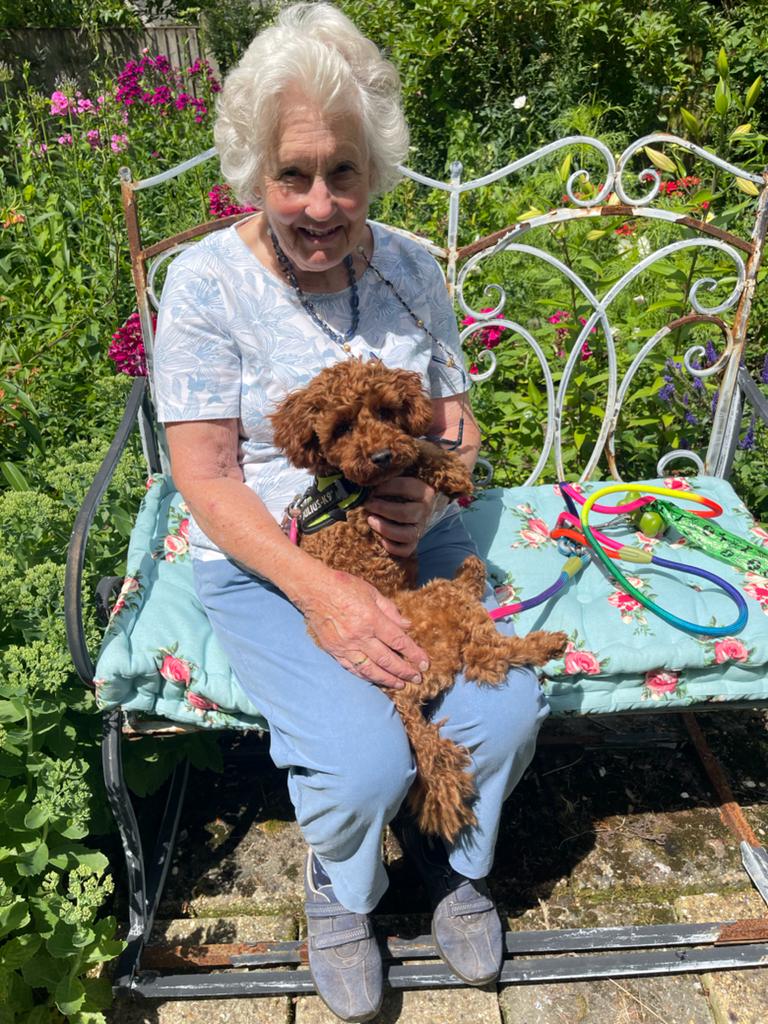
Sue is a keen plantswoman and past chairman of Essex HPS. She also opened her garden for the National Garden Scheme for 5 years. We visited Sue’s garden in 2023 for our ‘Meet the Gardener’ visit.
Sue trained originally as a Radiographer X-raying humans, and then animals at Bristol Veterinary School. Years later she trained in Horticulture and taught at Writtle College. Her interest in wildflowers, and then gardens started very early. She has been fortunate to be able to join groups flower hunting in many countries.
In the depths of winter, when the days are dark and short, and the ground is always wet, it is easy to turn our backs on our gardens. But there is always something to please those who look, whether it is seed heads of grasses swaying in the breeze, berries that have survived the birds, or rain drops on spiders’ web.
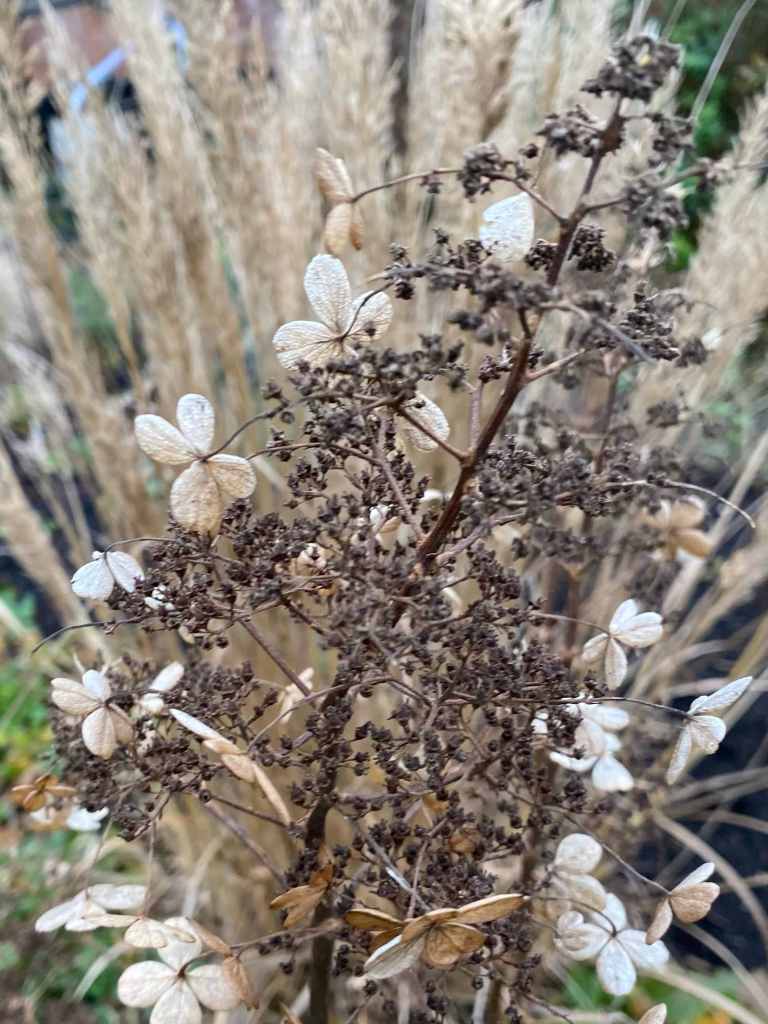
Hydrangea paniculata ”Kyushu”, in front of Calamagrostis brachytricha
And, of course, frost. Frost is a gift, an essential part of the life cycle of an Essex garden. It reduces the numbers of overwintering pests, restoring balance to the wildlife we share our gardens with. It is necessary for the germination of the seeds of certain species. And it creates unfamiliar new pictures with our familiar plants.
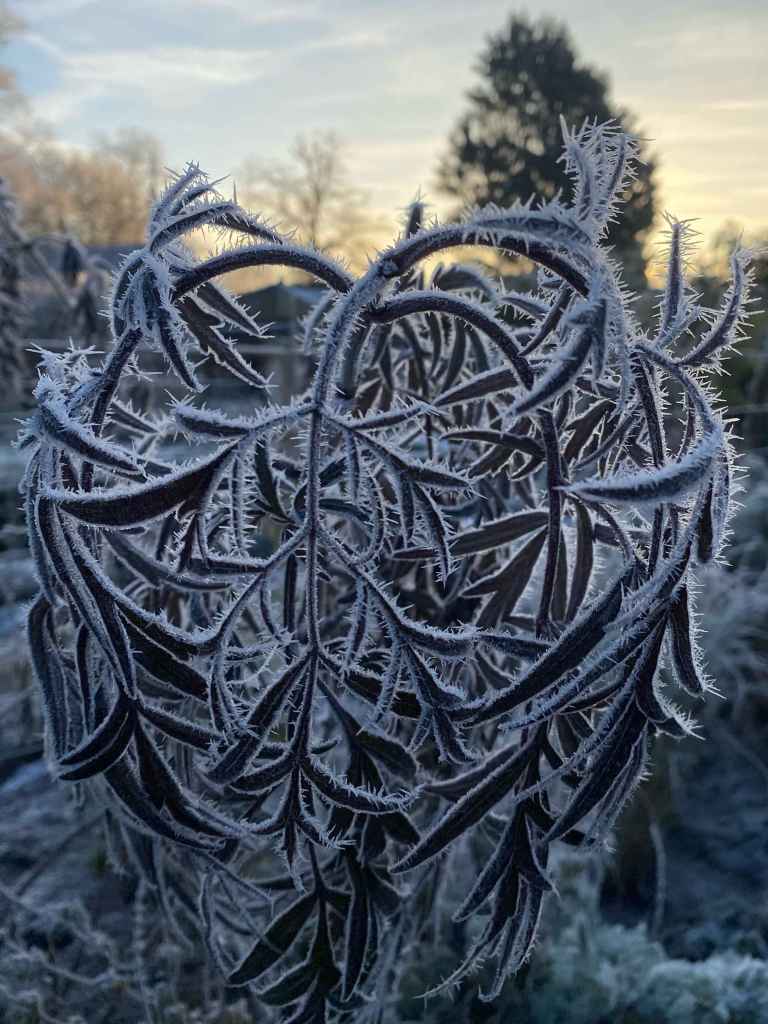
Sambucus nigra “Black Lace” in last December’s frost
In summer some gardeners are tempted by tender tropicals. They grow cannas among their dahlias, gingers with their bananas, and Ricinus beside the euphorbias, and they fancy they are in a jungle. And then autumn comes and they have to dig them all up and store them away from frost. It’s a lot of work, however rewarding.
But we in the Hardy Plant Society have no fear of frosts.
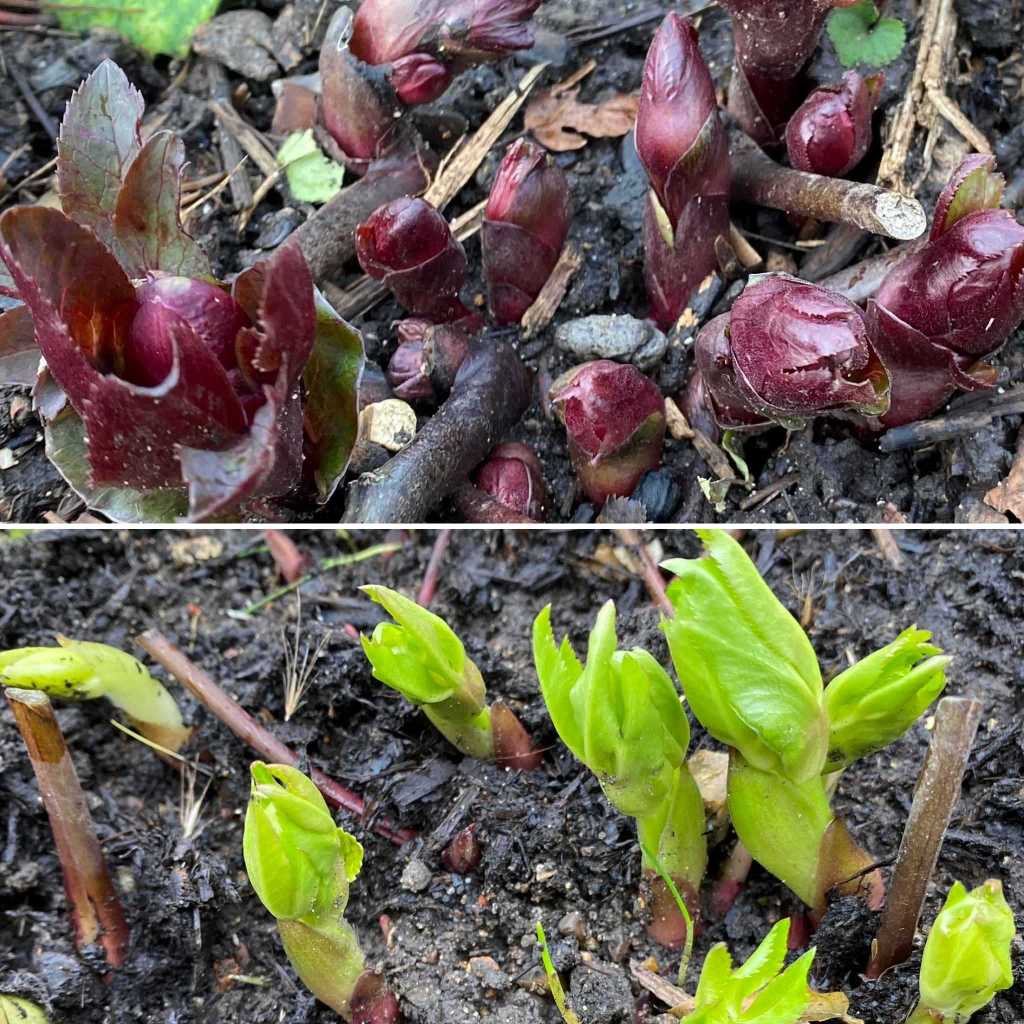
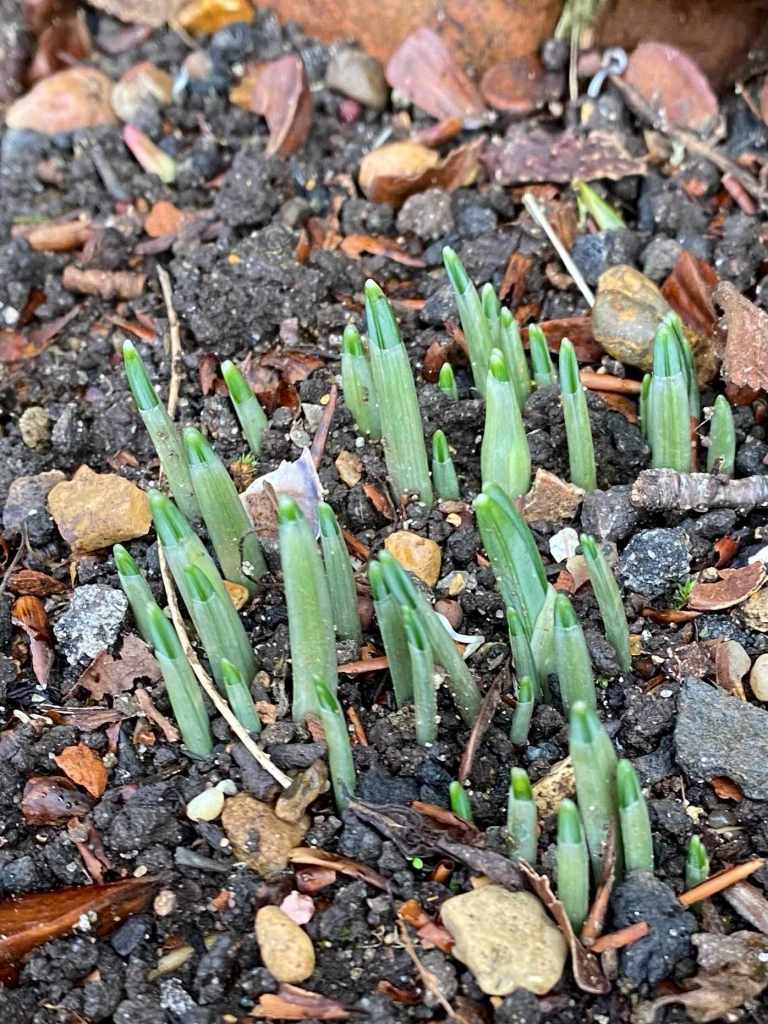
Most British gardens rely on hardy plants, plants that have evolved to survive, thrive even, in the sub-zero temperatures of winter. You can garden successfully only using hardy plants, but it is hard to imagine a successful garden without them. We know their secrets, and delight in their reappearance. As I write the buds of the hellebores are swelling, the noses of the snowdrops are poking up through wet autumn leaves, and Iris unguicularis has been flowering for weeks.
The Hellebores are coming, 21/12/23
The first of my snowdrops
Iris unguicularis has had a succession of flowers since November
So far this has been a mild winter, though possibly wetter than last year and certainly darker, all of which has an effect on our plants, even our hardy perennials, our shrubs and our trees. My winter flowering shrubs are later than last year, and the late flowering plants did not last into December, as they did last year when I had four times as many plants in flower on December 1st. We are learning all the time. In early December 2022 we had a deep frost, and we all lost plants, only some of which have revived. A possible reason for the exceptional devastation may have been the frost coming soon after a thorough soaking.
Being a member of the Hardy Plant Society in Essex gives you an invaluable source of experience, knowledge and wisdom in the care of plants in our soils and our unique climate. I hope that, like me, you are looking forward to a lively programme of meetings, talks and garden visits in 2024. My thanks to all members, and especially our Committee and volunteers, for making this a wonderful, warm and friendly organisation. Have a very happy Christmas and I wish you great gardening in the new year.
Our last meeting of the year is this Sunday 10th December at Wickham Bishops Village Hall. The meeting starts at 2.00pm. Also a quick reminder for people to bring their subs.
Our speaker this month is Ed Fairey – ‘What is the NGS’
Ed Fairey is the Managing Director of Fairey Associates, one of the UK’s leading firms of Wealth Managers. He is also a highly skilled gardener and garden designer who has, for the last few years, been developing his three-acre garden in the north east of Essex. He has opened his garden for the National Garden Scheme for a number of years and is part of the NGS Essex volunteer team.
Our garden is what remains of an old walled garden in the middle of Coggeshall. Soon after we moved here in 2020 I decided I would plant heritage apples. Essex has a rich tradition of excellent varieties, as I am discovering now that they are beginning to crop. This one is Sturmer Pippin, bred in the village of Sturmer near Haverhill, about 1800 and sent to the RHS in 1827. Its great virtue is, it is extremely late and keeps for an astonishing time. The excellent website fruitid.com tells us: “Its ability to store until late spring was probably the main reason it became a popular and widely grown Victorian variety. Picked in October or November it is very hard and virtually inedible until well into the new year when it mellows to a golden yellow, but is crisp, juicy and in a good year having a good rich flavour.” It has also been noted that samples picked in early January had developed a much better flavour than those that were picked to store in early November. Mind you, leaving the fruit on the tree that late may require protection. I picked mine on December 1st, and they are sharp. fruitid.com says: “Strong characteristic taste like cold steel; crisp, juicy, but needs plenty of autumn sunshine to build up sugar and flavour.” The last two of my crop, seen here, I will leave until January for comparison.
The HPS Conservation Scheme is open to all members. The group is for anyone interested in growing and propagating cultivars of hardy herbaceous perennials. These plants are not widely available in the nursery trade and the aim is to ensure they do not die out and become lost forever.
A Perfect Morning Out – Sally Adams
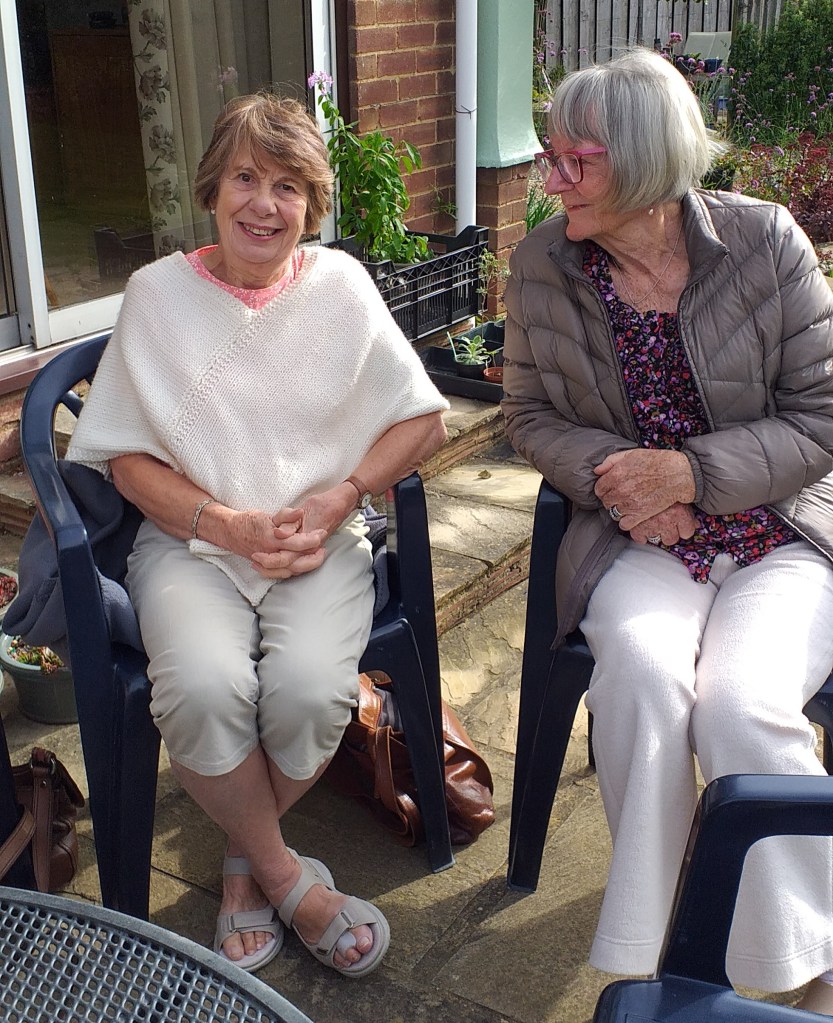
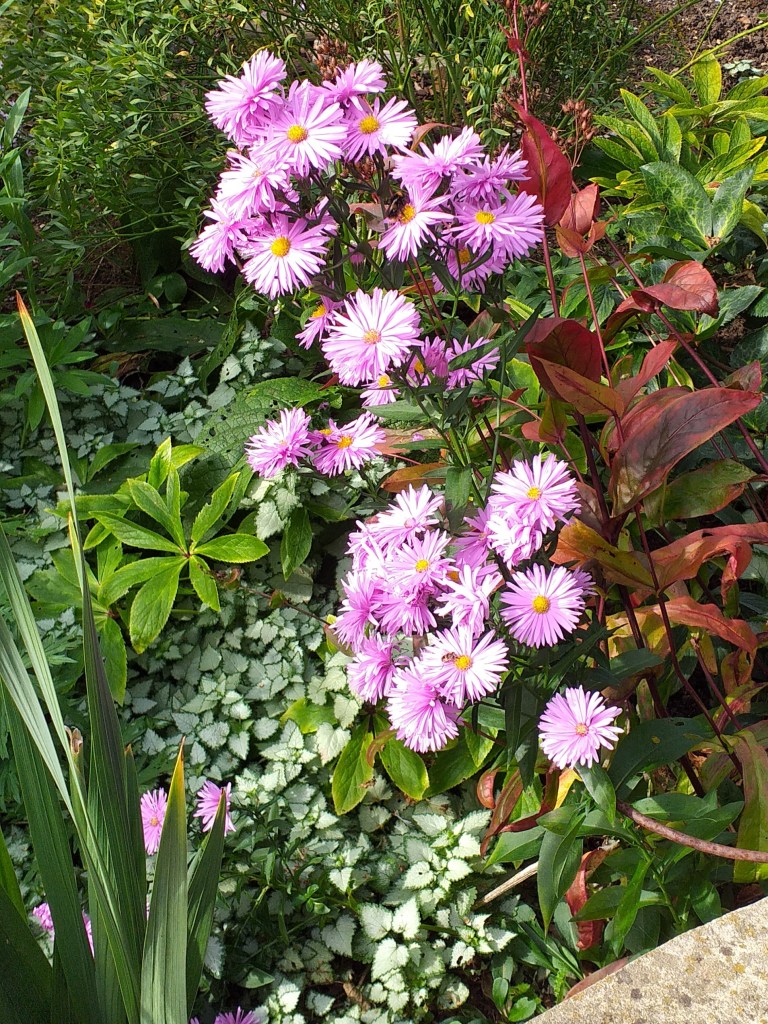
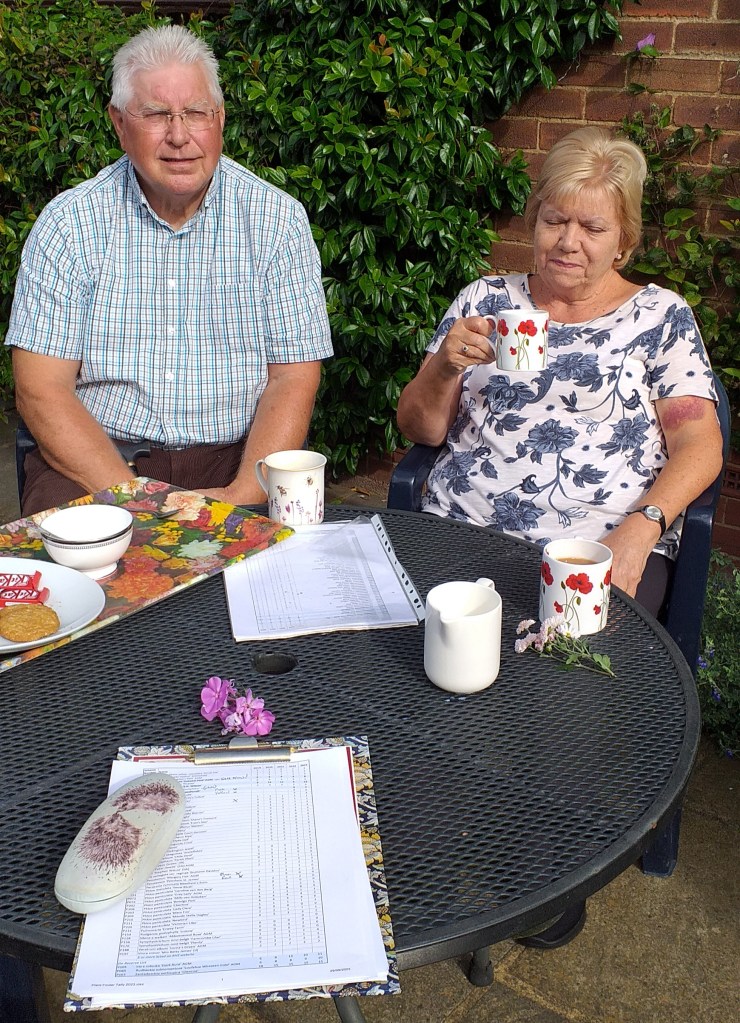
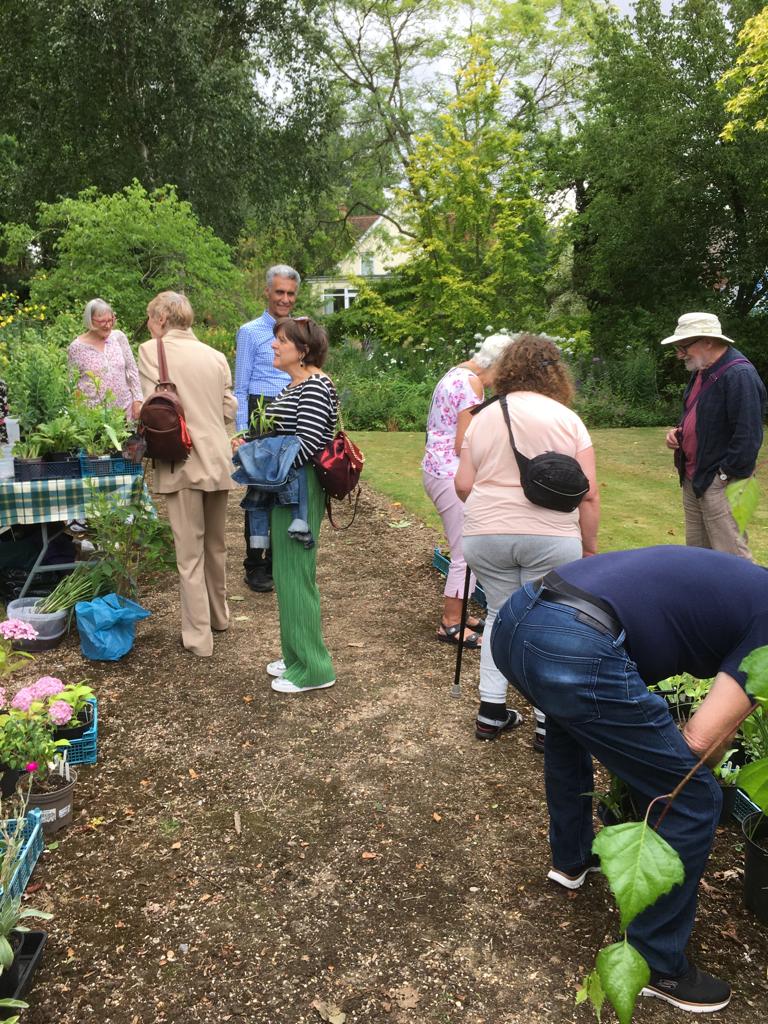
On a sunny patio surrounded by a lush garden, a group of enthusiastic plant-lovers discussed the latest developments in the HPS Conservation Scheme. There were new plants to learn about, mislabelled plants to evaluate, past successes to track down and mature specimens to see in Margot’s garden where the HPS Essex Conservation mini-group meets. It is always a treat to see her special garden at any time of year, but on the day of the meeting it was full of blooming Symphyotrichum, or Asters if you prefer. When it comes with tea and biscuits, it makes for a perfect morning out.
HPS members enjoying tea and plants in the sun. The plant above is Symphiotrichum novi-belgii ‘Farncombe Lilac’.
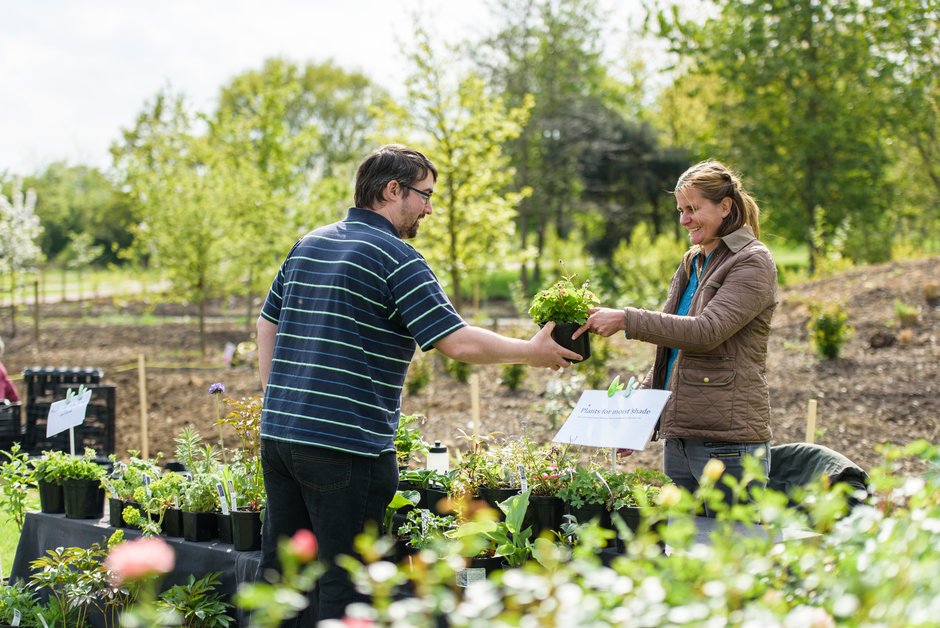
We will be at the Hyde Hall Autumn Plant Fair this weekend. Get your garden set up for the season ahead. Organised with Essex Plant Heritage, enjoy two days all about plants with a wide range of nurseries from across the region exhibiting and selling rare, unusual and threatened species of plants.
Nurseries and Exhibitors attending:
A&J Plants | Amethyst Plants | Blue Lagoon Furniture | Boxworth Botanicals | Essex Air Ambulance | Essex Plant Heritage | Fosters Exotic Plants | Essex Hardy Plant Society | Helen Rose Glass | Madrona Nursery | Moore & Moore | Neil Reeve | Oakview | Redman Plants | Riverside Bulbs | Ron Coutts | Rust Plants | Straight Mile Nursery | Vegelicious.
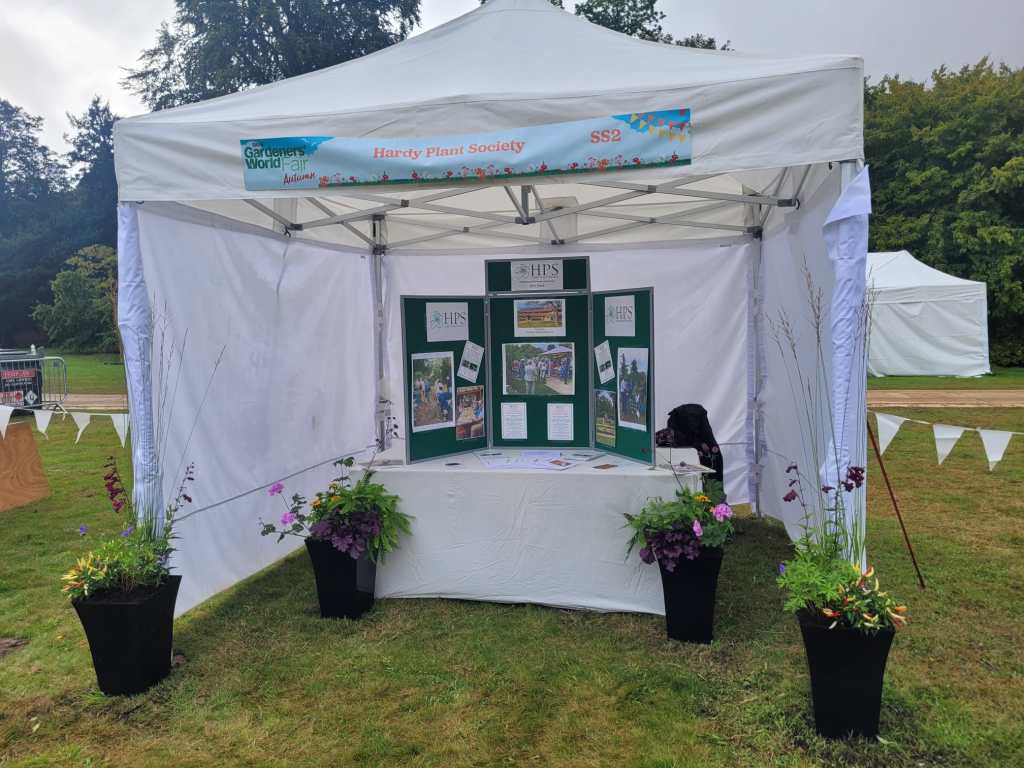
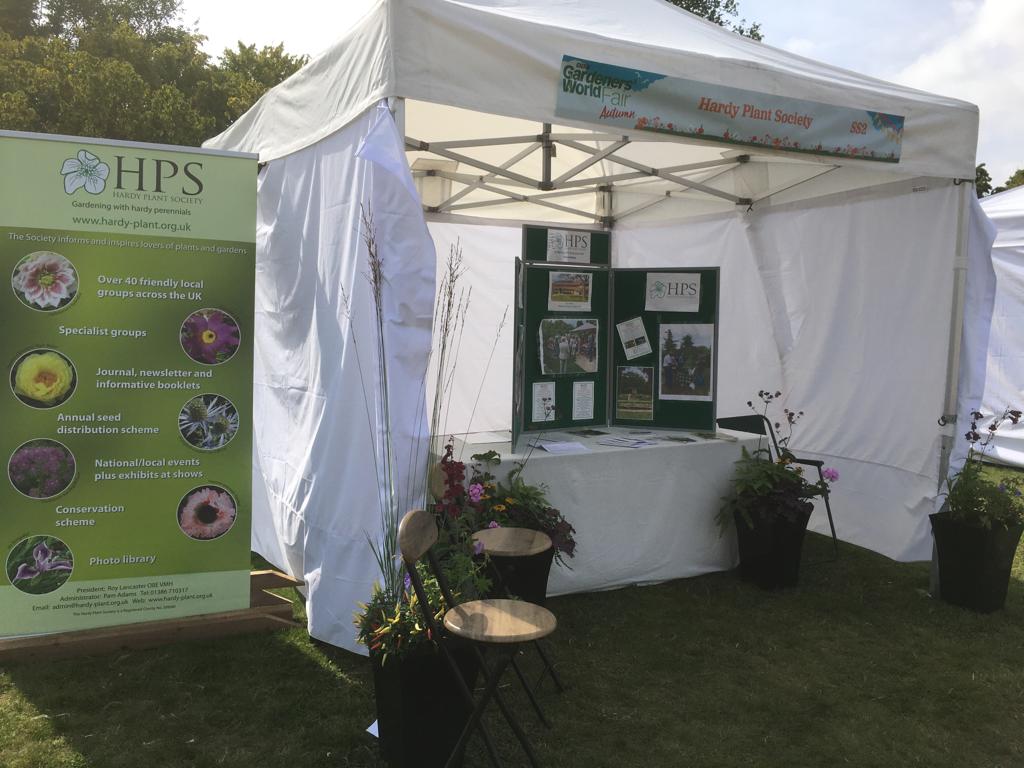
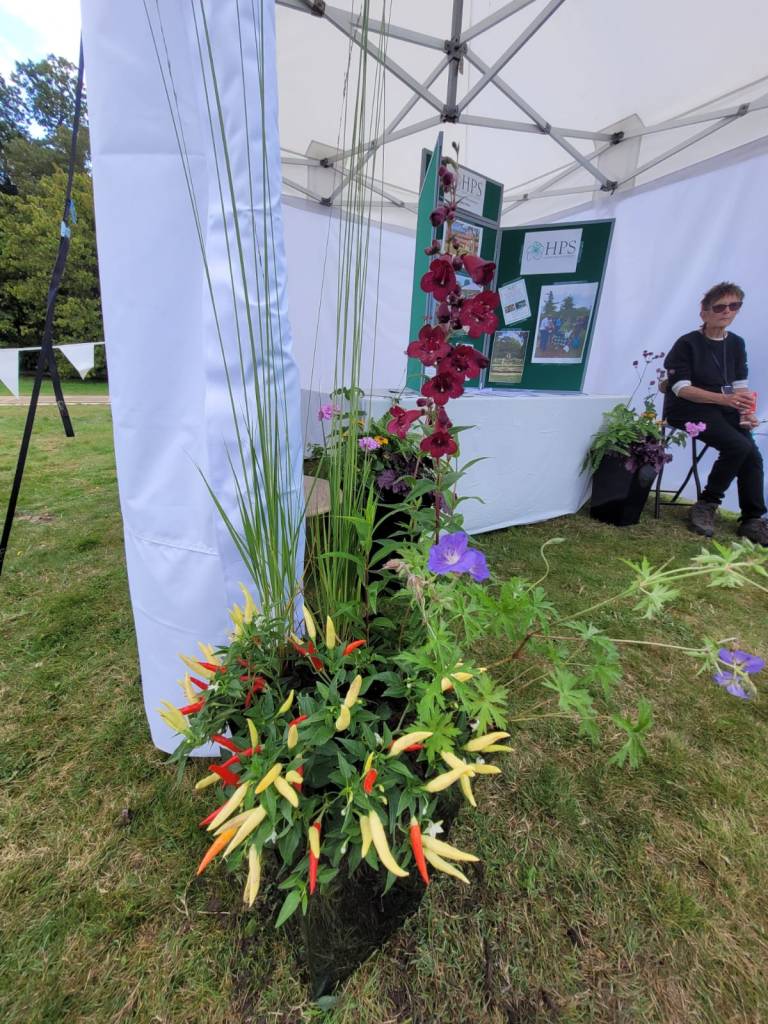
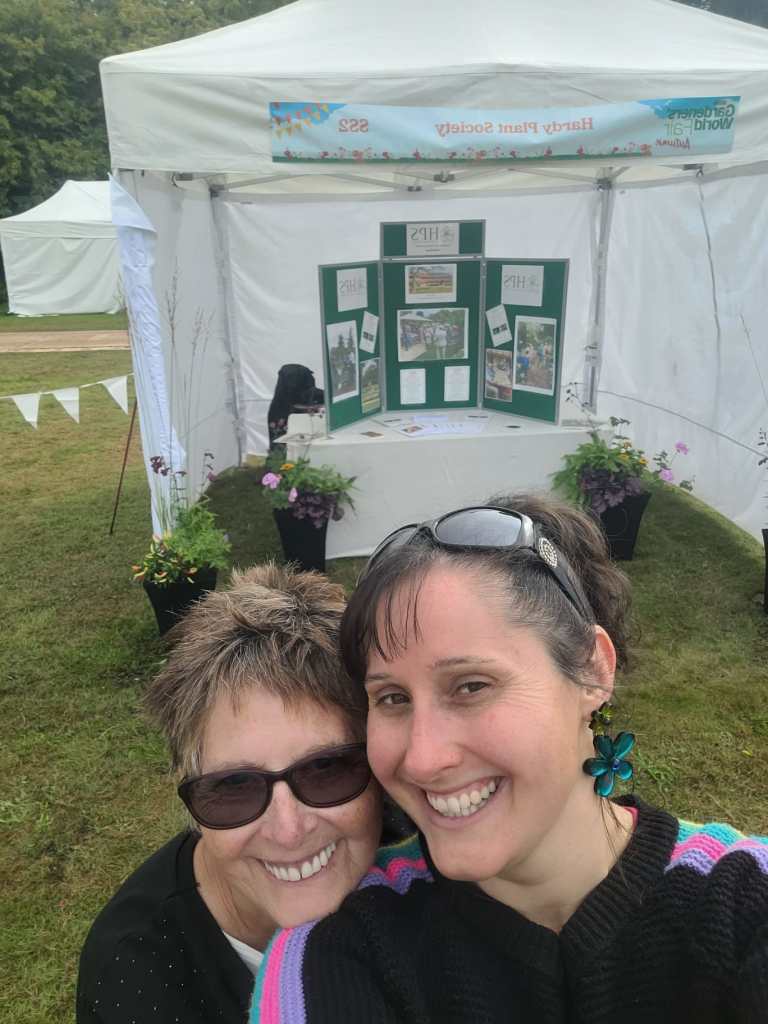
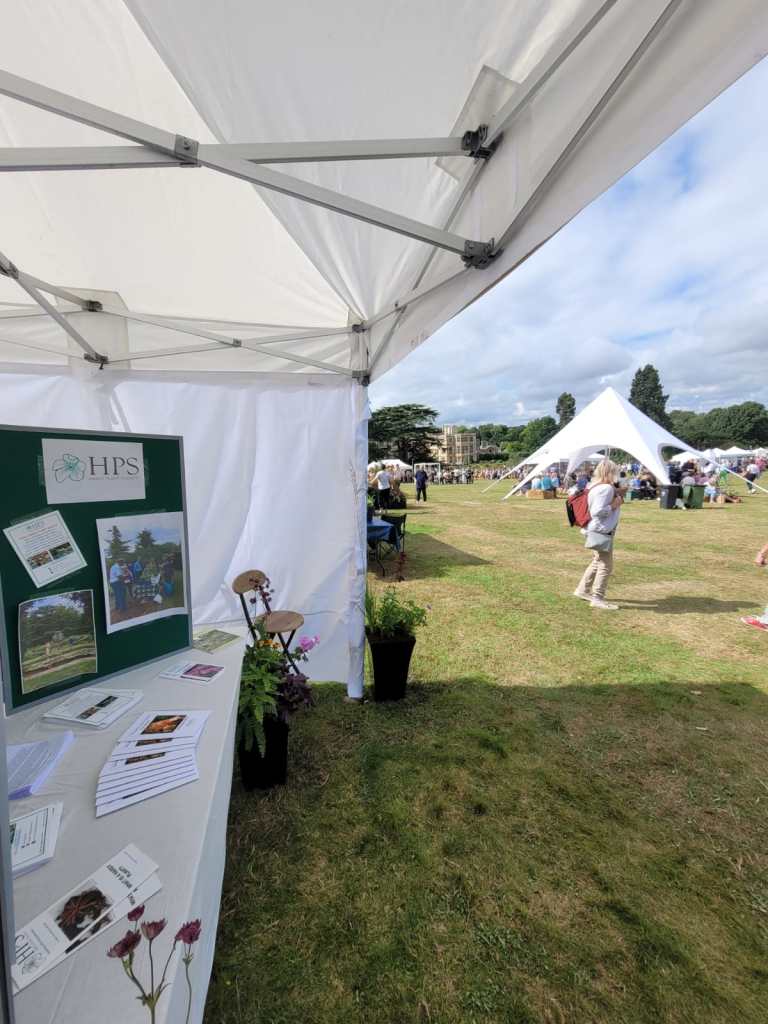
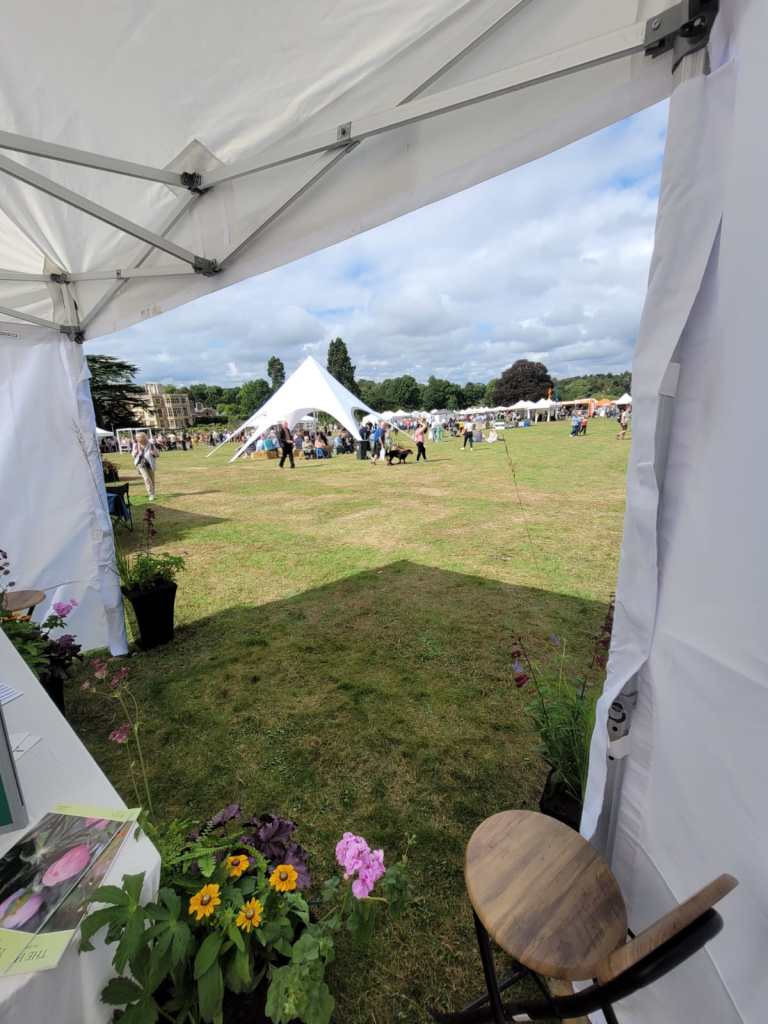
Essex Hardy Plant Society were spreading the word at the prestigious BBC Gardeners’ World Autumn Fair at Audley House & Gardens in Saffron Walden.
The event took place on Friday 1st – 3rd September. We met many people on our stand where we were able to explain how we support Plant Conservation and share our horticultural knowledge from novice to expert level. Members learn more about plants and gardens through our regular monthly meetings and newsletters. We are a sociable group who enjoy outings to great gardens as much as a chat over tea and cake at our modern venue in Wickham Bishops Village Hall.
Essex Hardy Plant Society is affiliated to the national Hardy Plant Society and there are plenty of member benefits to be enjoyed by belonging to both.
Visit to Sue Jackman’s Garden – 16 July 2023 by Christine Hall
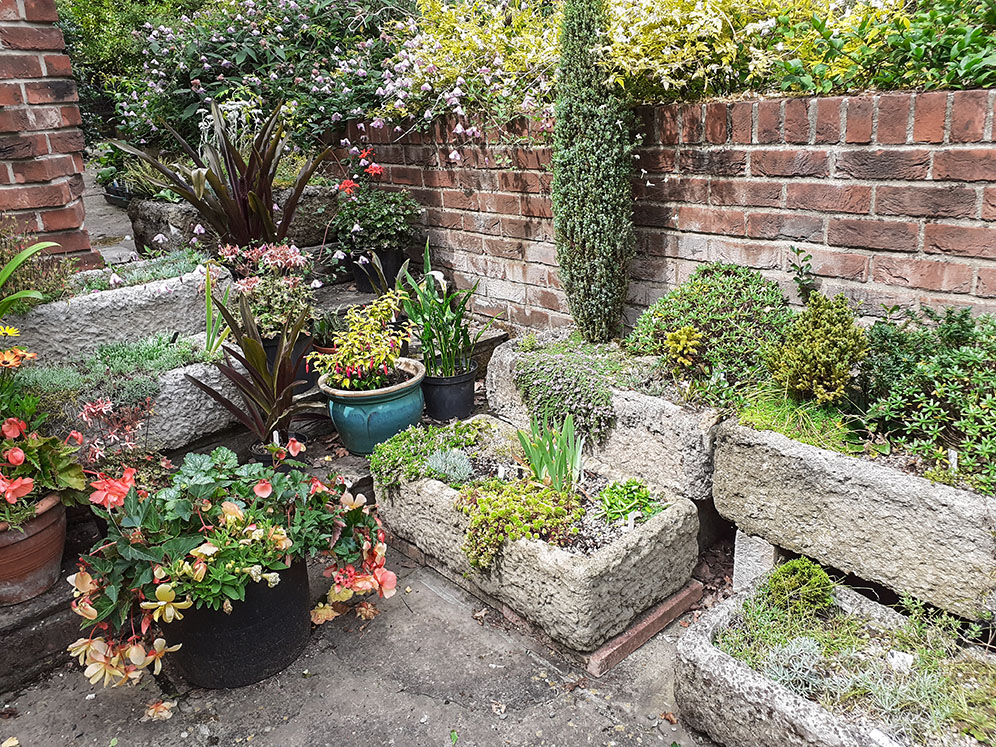
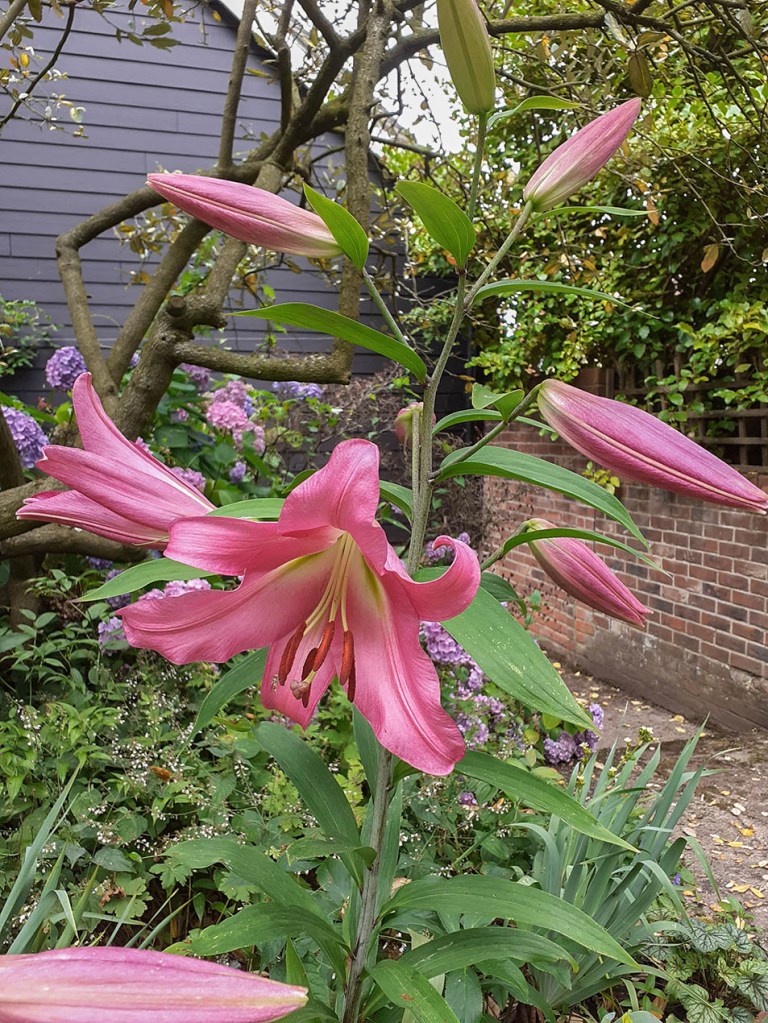
Our ‘Meet the Gardener’ visit for July this year was to Sue Jackman’s lovely garden at Great Totham. About thirty members came on what was a very sociable and fun afternoon. I found the garden had matured considerably since I visited ten to twelve years ago. Part way down the garden there is a hot border on the right-hand side of the path with kniphofias, heleniums etc. There are lilies in abundance as well as clematis. In a corner near the house Sue has alpine troughs and various plants in containers.
I was impressed with the Thalictrum delavayi just beside the garden gate as one enters the back garden which had grown to about 6 feet in height. I have a white one to which I have been giving lots of tender, loving care but this is only about a foot high! Admittedly the main stem broke off in the wind earlier this summer or maybe it was gnawed by something. Towards the end of our visit, we enjoyed the delicious cakes and refreshments.
This was a very pleasant and enjoyable afternoon and in spite of our very changeable, wet weather this July, it remained dry and sunny.






 Essex HPS